Diving holidays in the Azores

The first citizen science workshop dedicated to the Blue Shark in the Azores

  • JULY 12 TO 19, 2026 – SOLD OUT

  • AUGUST 04 TO 14, 2026 – SOLD OUT

  • AUGUST 16 TO 26, 2026 – SOLD OUT

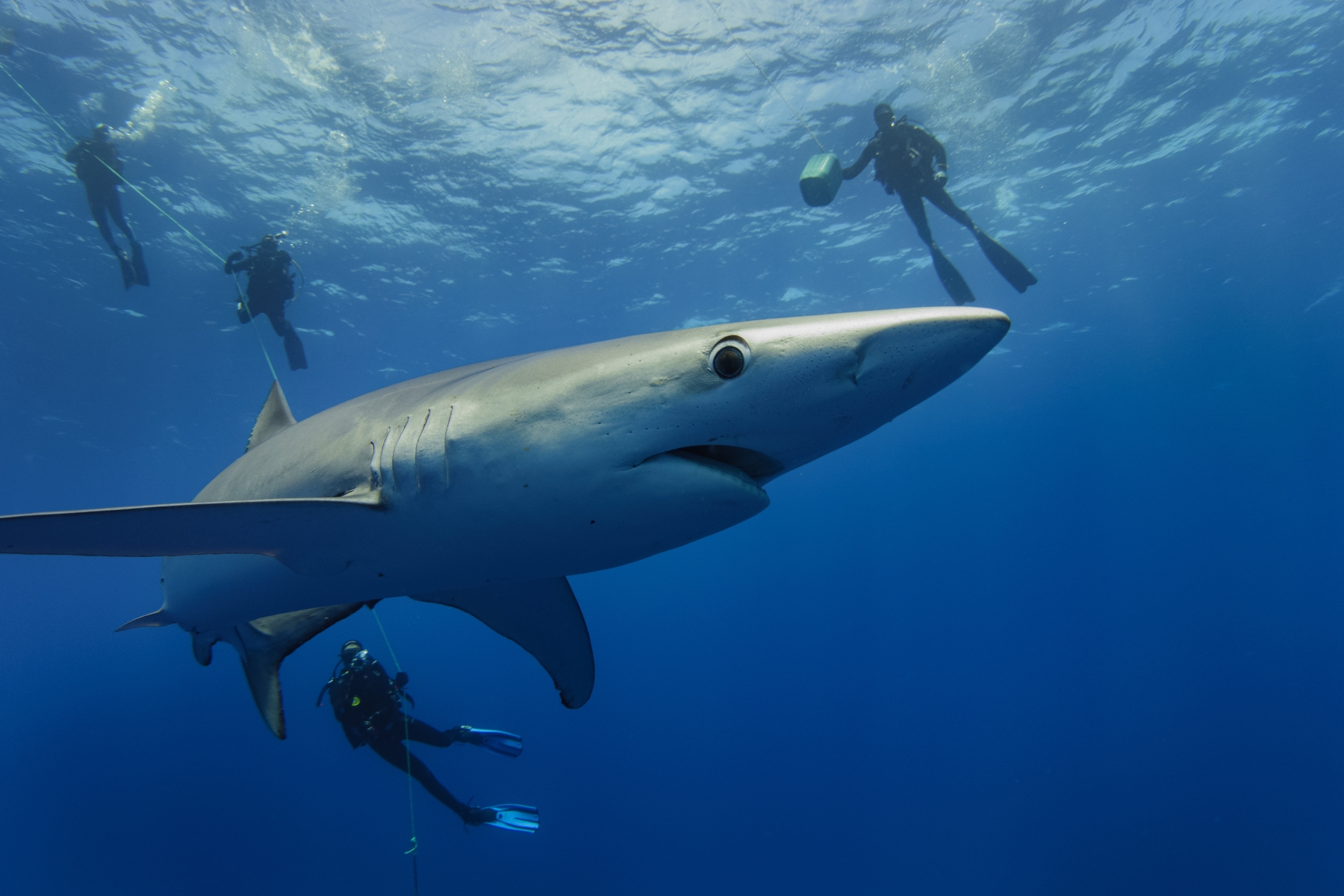
Every summer, I offer a unique workshop in the heart of the Atlantic, dedicated to the observation and study of the blue shark.

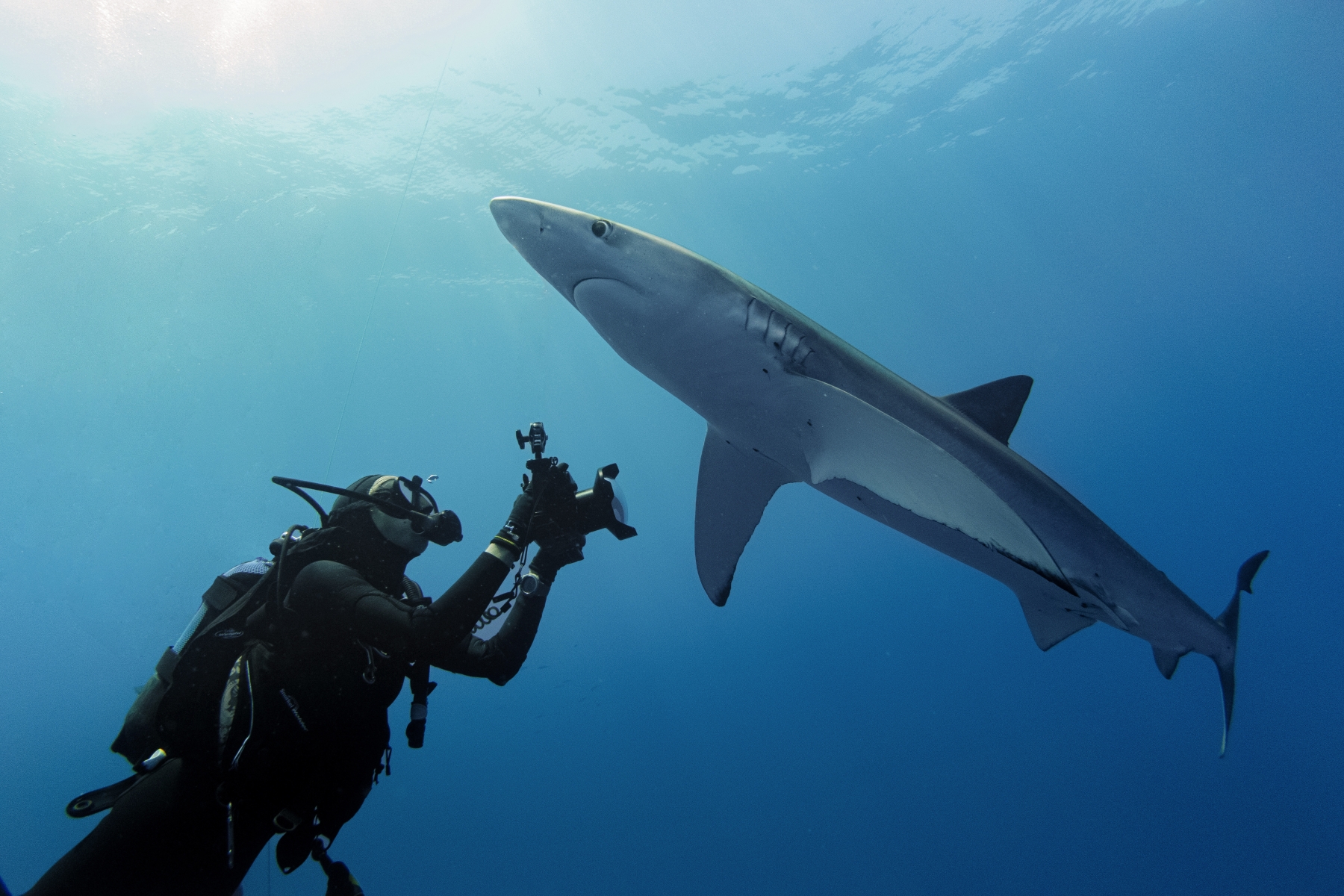
For several days, you’ll have the chance to dive in with these fascinating predators and learn more about them through lectures and citizen science. Together, we will collect essential data for their monitoring: photo-identification, size estimation using laser photogrammetry, behavioral observation, and the creation of individual data sheets to contribute to an unprecedented register of blue sharks encountered in the Azores.

Beyond the dives, this workshop is also an immersion in the world of marine biology and conservation. It’s an opportunity to combine adventure, discovery and commitment, while sharing special moments with an emblematic animal that is still all too endangered.

A scientific diving holiday with a commitment to the blue shark

Program for diving holiday on Pico Island, Azores

  • Day 1: Flights to the Azores, to Horta (HOR) or Pico (PIX)

  • Day 2: 1 check dive, shark dive briefing, blue shark lecture

  • Day 3: 1 shark dive, conference on citizen science, photo-identification, laser photogrammetry

  • Day 4: Day at sea – 2 shark dives

  • Day 5: Day at sea – 2 shark dives

  • Day 6: Options Day – Whale watching, Swimming with dolphins, Princess Alice, Shark diving, Sightseeing, Hiking…

  • Day 7: Free day planned in case of bad weather. It is included in this program as an indication, but may be moved at any time during the trip due to bad weather. A shark identification and measurement workshop will be held on this day.

  • Day 8: Return flight to mainland France
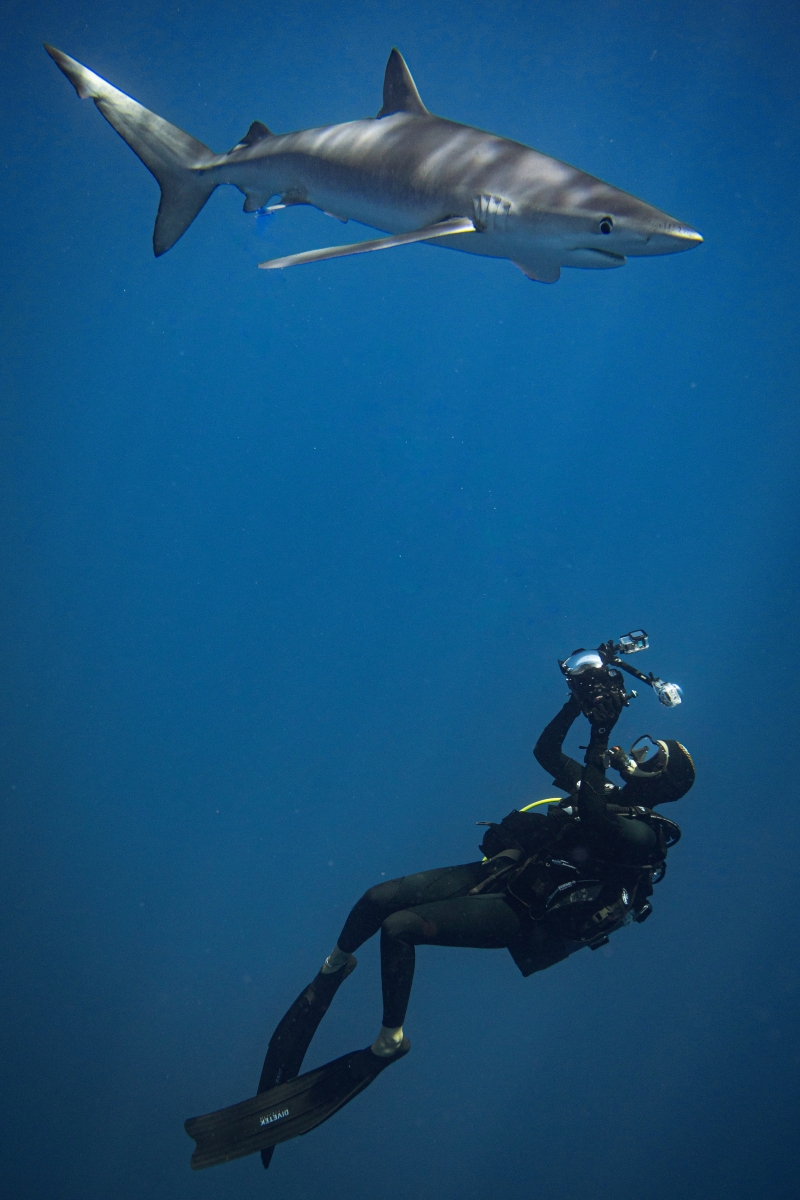
Margaux Le Brun filming a blue shark in the Azores
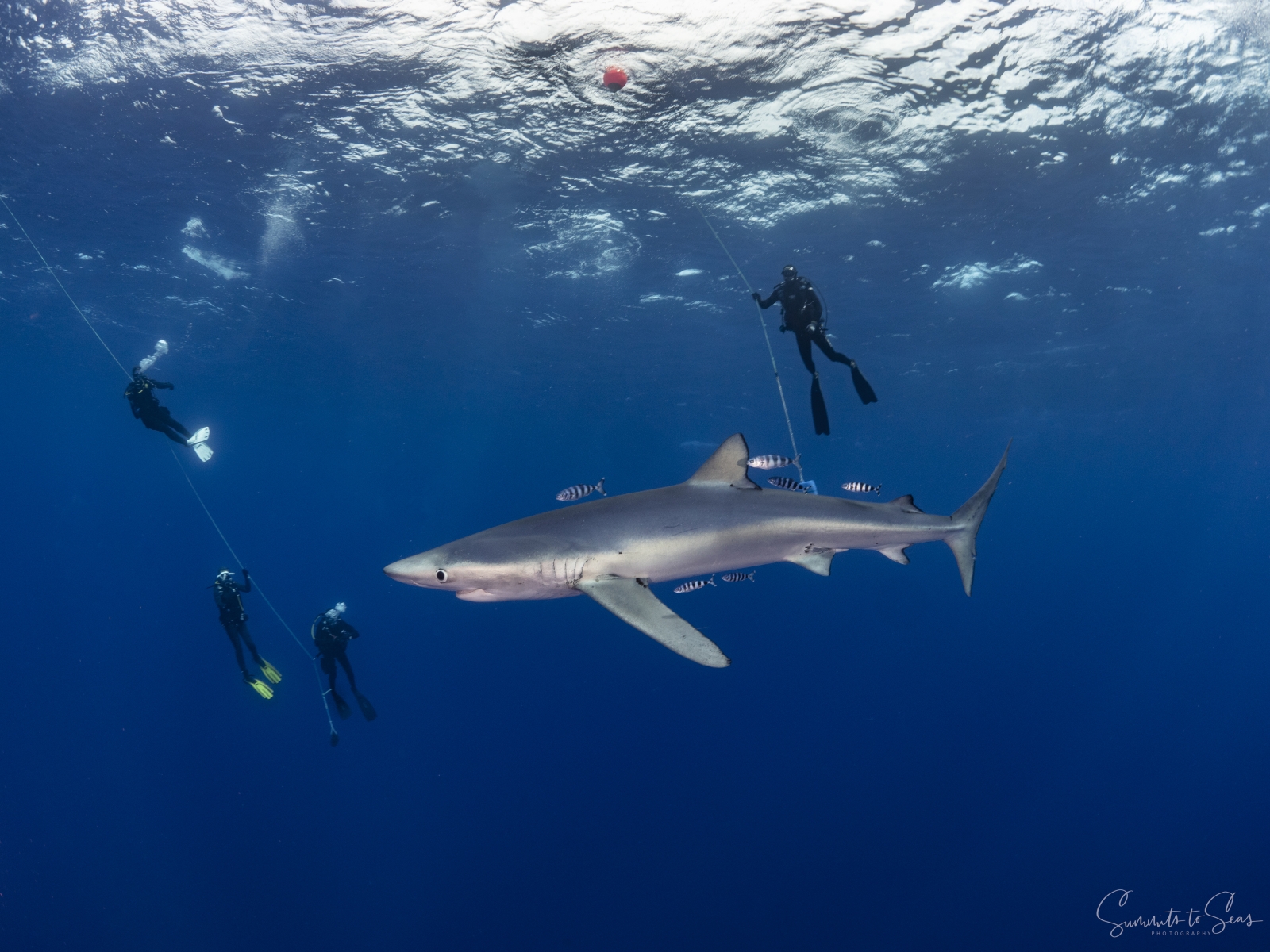
Margaux Le Brun and her group of divers in the Azores
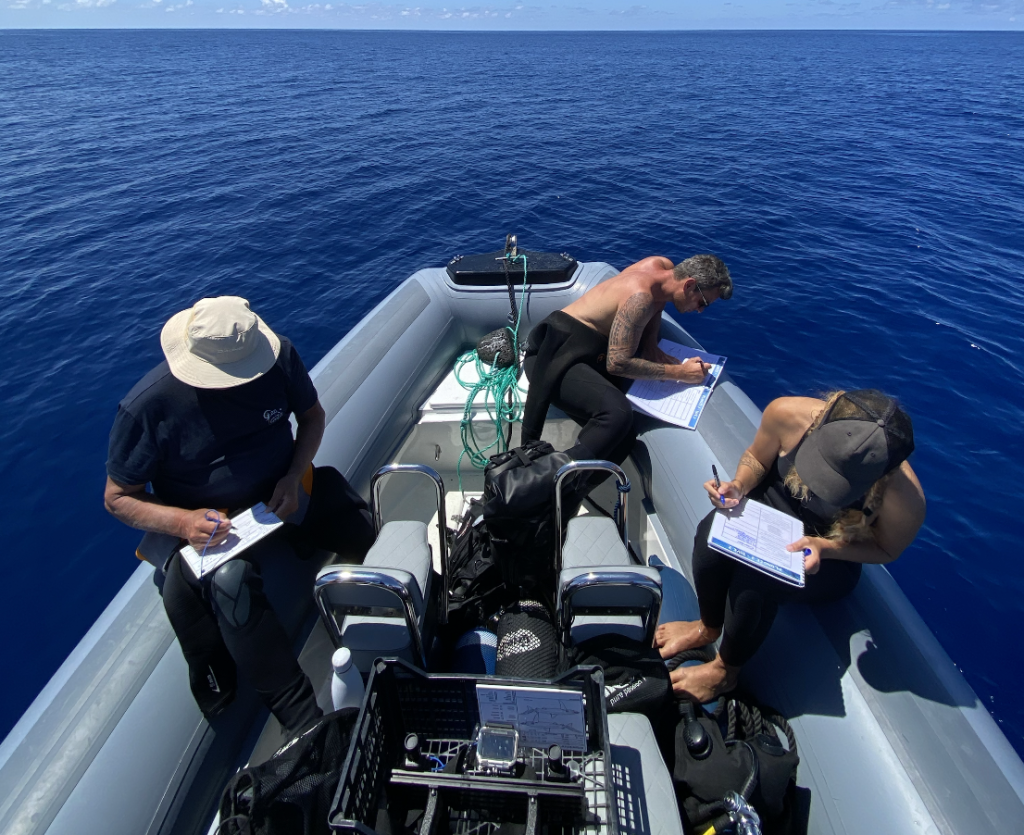
Data collection on the boat during a participatory science workshop in the Azores

What’s included

  • Pick-up and return transfers (including sea transfers for arrivals in Horta)
  • Accommodation in a double room, breakfast included (8 days/7 nights)
  • 1 shore dive (check dive)
  • 5 shark dives (approx. 75 minutes per dive, i.e. 375 minutes with sharks)
  • 15L, 12L steel blocks (short or long) AIR.
  • Weights and belts
  • Lunch on days 4 and 5 (full days at sea with 2 dives)
  • Local guide
  • My presence to support you throughout your stay
  • 1 naturalist guides
  • Conferences on sharks, participatory science, photo-identification, laser photogrammetry
  • Shark identification workshops

What’s not included

  • International flights (Air France, Azores Airlines, Easyjet, Lufthansa, SATA Air Açores, TAP Portugal, Transavia, Vueling) must be booked in advance to be insured.
  • Possible increases in air taxes
  • Cancellation and assistance insurance (recommended)
  • Diving insurance (mandatory)
  • Meals not mentioned
  • Beverages
  • Diving equipment rental
  • Single room
  • Optional extras (whale watching, swimming with dolphins, land tours, shark diving, Princess Alice)
  • Tips for guides and skippers (approx. €30/person for the week)
  • Other personal expenses

This diving holiday in the Azores is aimed at experienced divers who want to experience a unique adventure with blue sharks, while taking an active part in a scientific project committed to protecting the oceans.

YOUR expedition guide

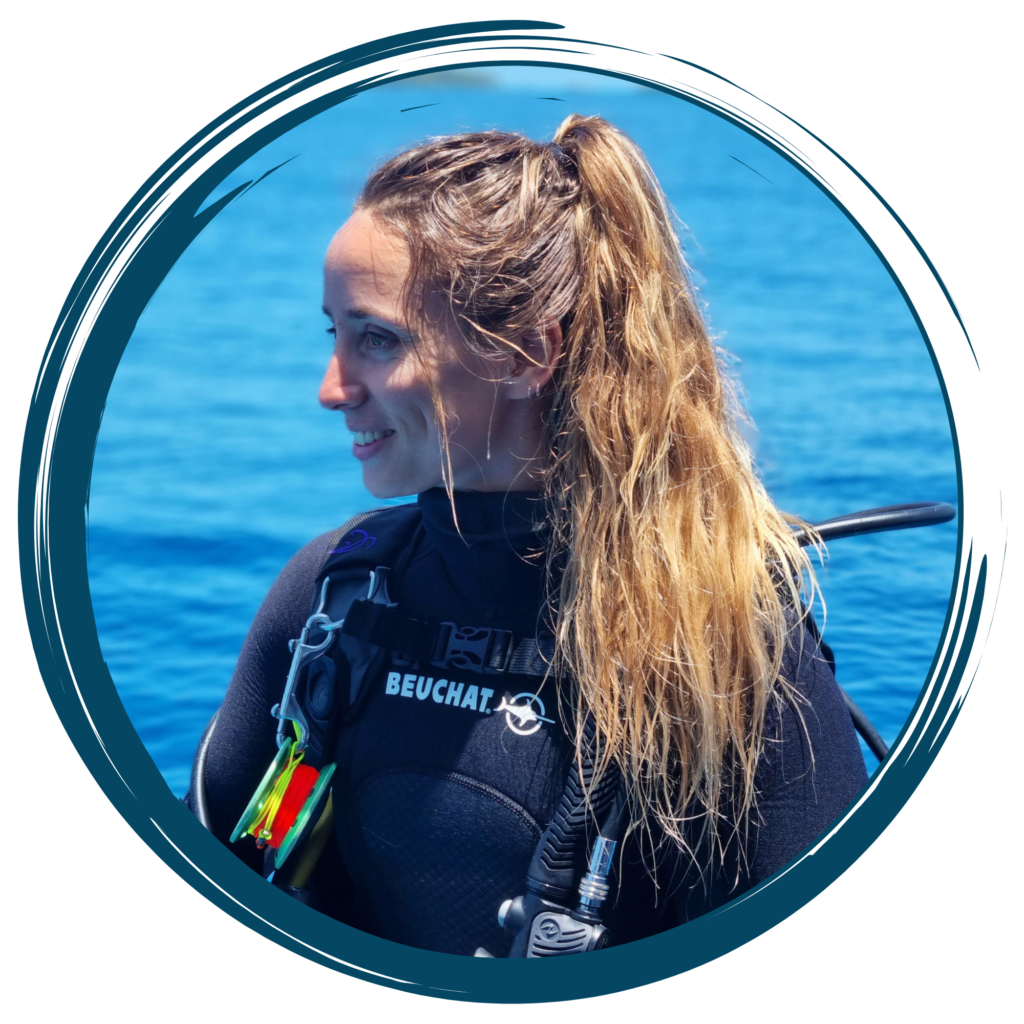
Margaux

A marine biology graduate, professional diver and underwater cameraman, Margaux has built up her experience of diving with sharks all over the world!

She is a naturalist guide and shark seminar leader, specializing in human-shark interactions, and accompanies groups of divers on shark encounters in a dozen different destinations.

She has made over a thousand dives with sharks, including several hundred hours with top predators such as tiger, bull and oceanic sharks, making her one of the most experienced divers of her generation.

She is one of the few divers to have practised tonic immobility on sharks: the first woman in the world to have achieved this in South Africa using the Walter Bernardis technique.

She fights to promote quality ecotourism around sharks by involving local communities.

Je pensais venir pour voir des requins. Je suis repartie en ayant appris à les comprendre. Margaux ne vend pas juste une plongée, elle transmet une vraie lecture du comportement animal. Son calme est contagieux et on se sent immédiatement en sécurité. Le workshop de science participative a complètement changé ma façon de plonger.
Camille A.

Margaux offre une perspective unique sur la vie marine. Ses séjours sont parfaits pour ceux qui veulent allier plaisir de la plongée et sensibilisation scientifique. Ce qui fait la différence, c’est l’aspect science participative : on apprend à collecter des données utiles à la recherche, ce qui donne un véritable sens à chaque immersion. Au-delà de son expertise, Margaux est une perle : elle est aussi passionnante sous l’eau qu’adorable en dehors, toujours prête à partager un verre ou à pousser la chansonnette pour finir la journée en beauté. Une recommandation sans réserve pour son professionnalisme et sa joie de vivre communicative !

Maxence L.

Sono stato in crociera con Anthony e Margaux e stato una esperienza fantastica. Le conferenze e le immersioni sono state davvero fantastiche. Ho imparato un sacco di cose e ci tornerei con loro per i miei prossimi viaggi. Finite le foto e le immersioni per consumare !
Mario C.

Diving with sharks used to be on my bucket list. Diving with Margaux and Anthony turned into a life perspective shift. Their ability to combine marine biology, conservation, and pure emotion is rare. You don’t feel like a tourist , you feel like part of something meaningful.
Emily P.

Un viaje increíble con Margaux y Anthony. Inmersiones enriquecedoras y charlas súper interesantes donde aprendí muchísimo. Grupo reducido con barco privado. Y al final del viaje, un vídeo de recuerdo superprofesional (sobre y bajo el agua). ¡Inmersiones preciosas, información excelente y muchas risas! Volveré.
Júlia T.

Ma première expérience aux Açores avec Margaux, (et certainement pas la dernière !) a largement dépassé toutes mes attentes 🤩
Entre les plongées incroyables auprès des requins peau bleue, le workshop enrichissant et les moments de convivialité partagés, tout était parfaitement réuni pour vivre une aventure exceptionnelle.
Au-delà de notre passion commune pour la plongée, j’y ai aussi trouvé une amie. 💙

Noémie M.

Identifier un requin sur photo, analyser ses cicatrices, ses spécificités, estimer sa taille, comprendre ses déplacements… Je ne pensais pas que je pouvais contribuer à la recherche en tant que plongeur loisir. Margaux nous donne les outils et la confiance pour le faire sérieusement.

Julien R.

En tant que scientifique, je suis exigeante. Ce que j’ai apprécié, c’est la rigueur dans la collecte de données et le respect du protocole, tout en gardant une atmosphère chaleureuse. Son projet d’identification des requins bleus est impressionnant.

Martine S.

I was honestly nervous before my first shark dive. Anthony and Margaux’s briefing changed everything. They explain not only what to do, but why. Understanding the behavior made the fear disappear.
A memory I’ll never forget!

Mark A.
Previous slide
Next slide

Want to sign up or need more information?
Contact us!

Expedition gallery 2024-2025
ARTICLES to read
🌈 The Azores: an archipelago of colors (and what they really say)

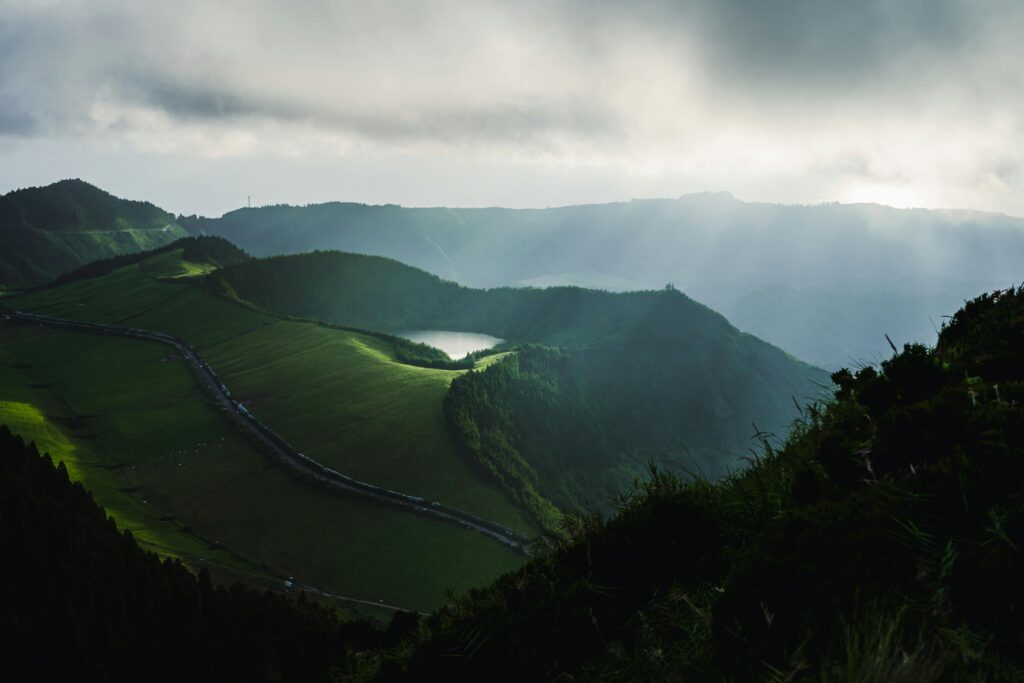
Lost in the middle of the Atlantic, the Azores are not a destination you “cross”. It’s an archipelago that you discover, island by island, atmosphere by atmosphere.

Made up of nine volcanic islands, this Portuguese archipelago offers an astonishing, almost bewildering diversity of landscapes. Each island is associated with a color, directly linked to its geology, vegetation or history. A simple way… to understand a complex archipelago.

🟡 Santa Maria – the yellow island

This is the driest island in the archipelago.
Its color comes from the yellow broom that covers much of the landscape, but also from its soils, which are older and more eroded than on the other volcanic islands.

🟢 São Miguel – the green island

The best known, and with good reason:
is an explosion of vegetation. Meadows, forests, plantations…
This color comes from constant humidity and extremely fertile volcanic soil, which allows vegetation to grow everywhere.

🟣 Terceira – the violet island

More subtle, its color is linked to lilacs and hydrangeas, but also to the particular nuances of the sky and landscapes at sunset.

⚪ Graciosa – the white island

A softer, almost luminous island.
Its color comes from its light-colored volcanic formations and white clay-rich soils, which contrast with the other, darker islands.

🟤 São Jorge – the brown island

Here, color is geological.
Steep cliffs and “fajãs” (volcanic terraces) reveal dark brown rocks, shaped by eruptions and erosion.

🔵 Faial – the blue island

This blue doesn’t come from the ocean. It comes from the land. Faial is covered inblue hydrangeas, which color the roads, the hills and the entire landscape.

🌸 Flores – the pink island

A wild, wet, floral island.
Its color comes from the rhododendrons and wildflowers that dominate its landscapes.

⚫ Corvo – the black island

The smallest, the most isolated.
Its color comes from its volcanic caldera and the dark lava that structures the whole island.

⚫ Pico – the grey island

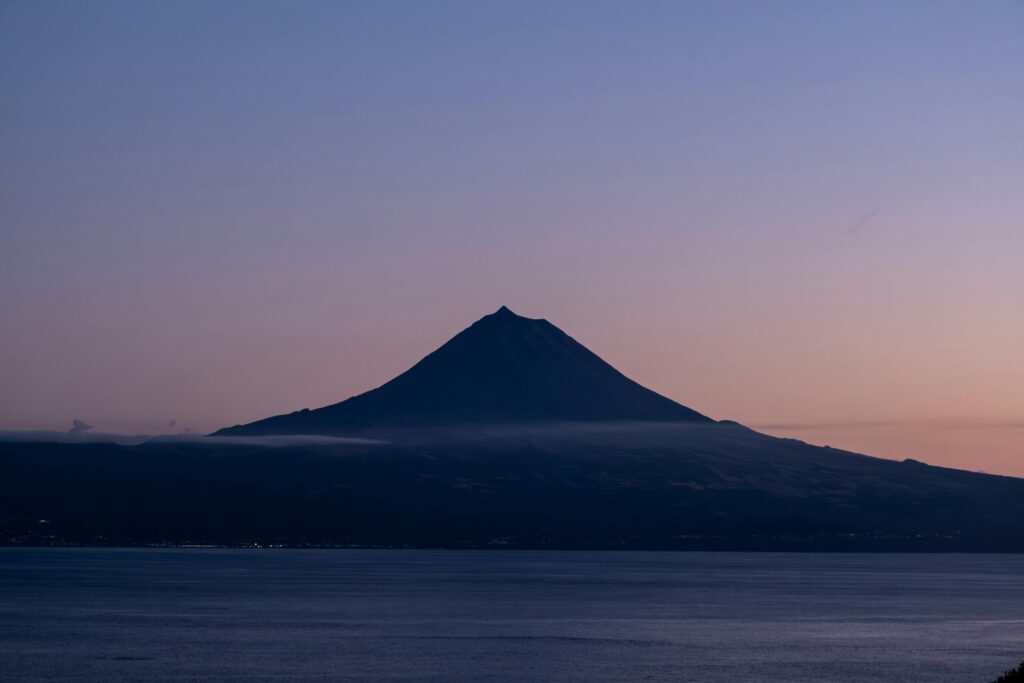
And finally, Pico. The island is dominated by Portugal’s highest peak, a volcano that seems to emerge directly from the ocean, at 2,351m above sea level. Here, color is radical.

👉 solidified lava
👉 volcanic flows
👉 ubiquitous stone

The landscapes give the impression of a land still in formation. But this black rock has also been domesticated:

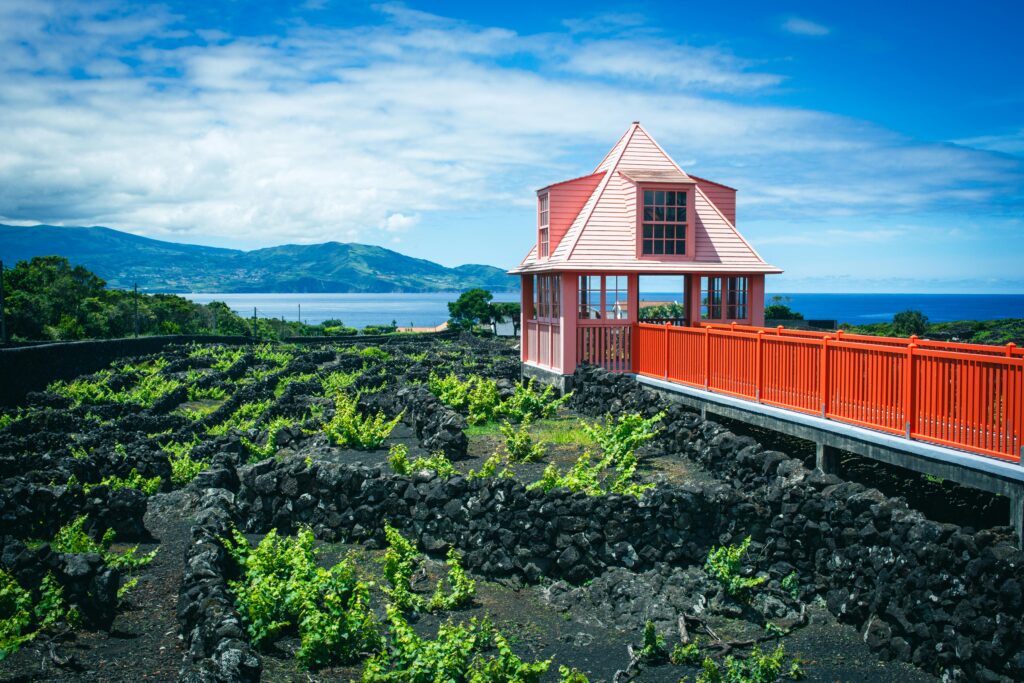
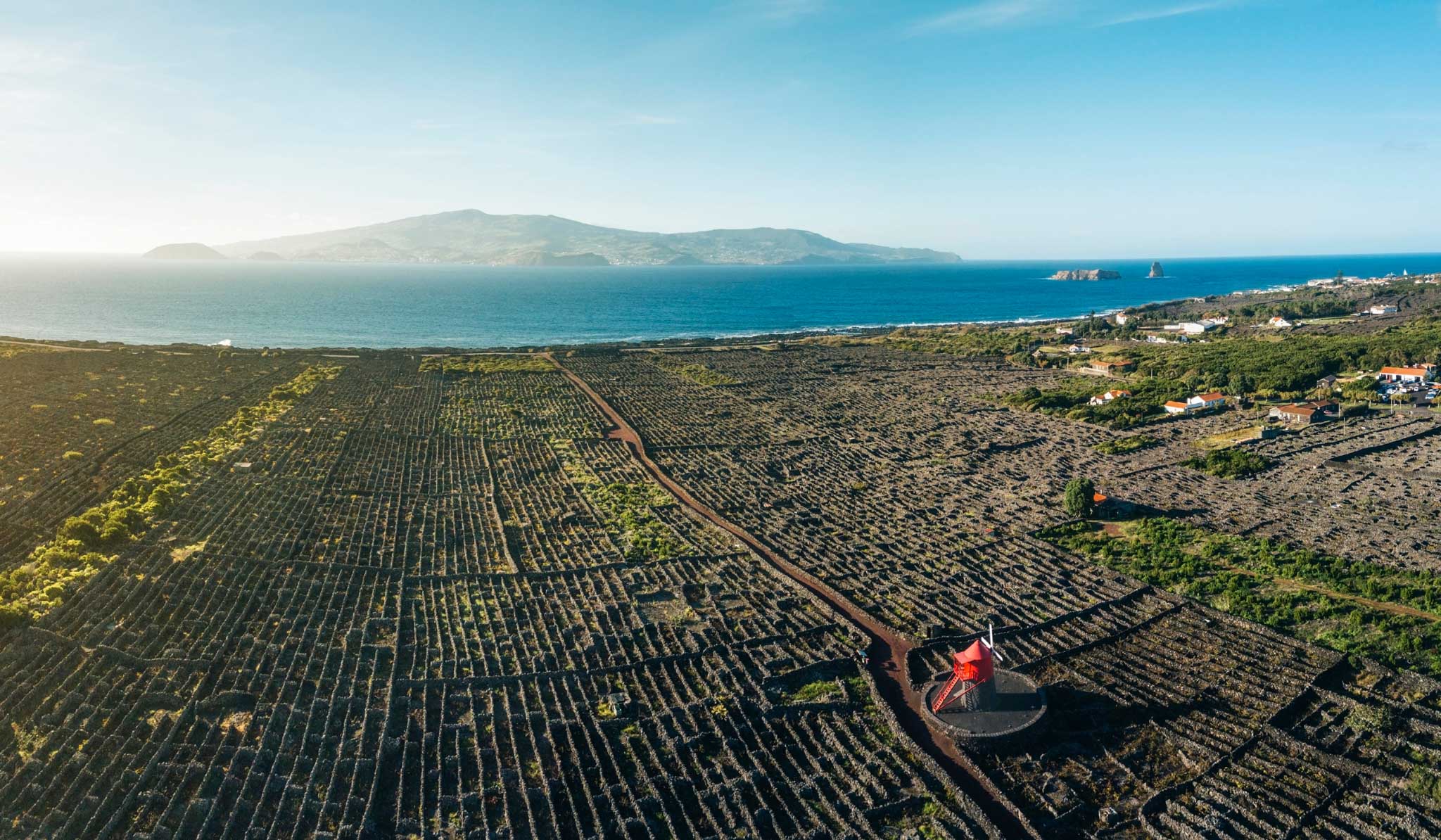
  • The vines grow in lava fields protected by low walls of black stone, a UNESCO World Heritage site.
  • adapted agriculture
  • architecture shaped by the volcano

Pico is not just an island. It’s a direct confrontation with the origin of the world. It’s a raw, mineral, intense island.

And yet…

These landscapes may seem wild today, but they have been deeply marked by man.

Not least through an activity that has shaped the entire local culture:
whaling.

Breathtaking view of São Miguel, Azores with scenic mountains and sunlight streaming through clouds.
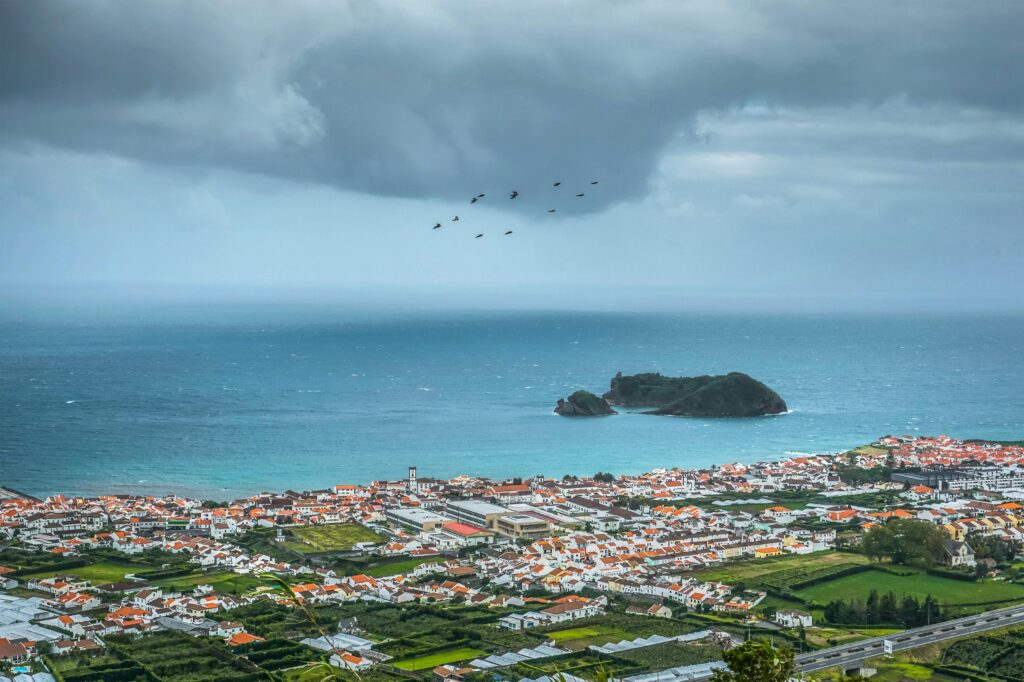
A stunning aerial view over Vila Franca do Campo and the Atlantic Ocean with dramatic clouds.
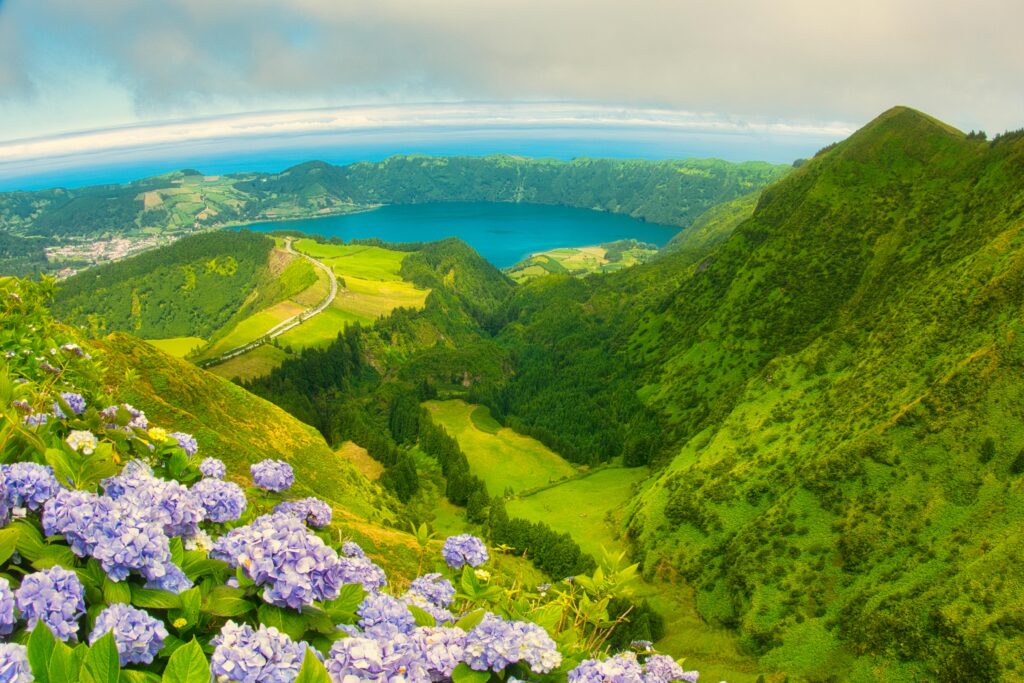
Breathtaking panoramic view of Sete Cidades in Azores with vibrant hydrangeas and lush green landscape.
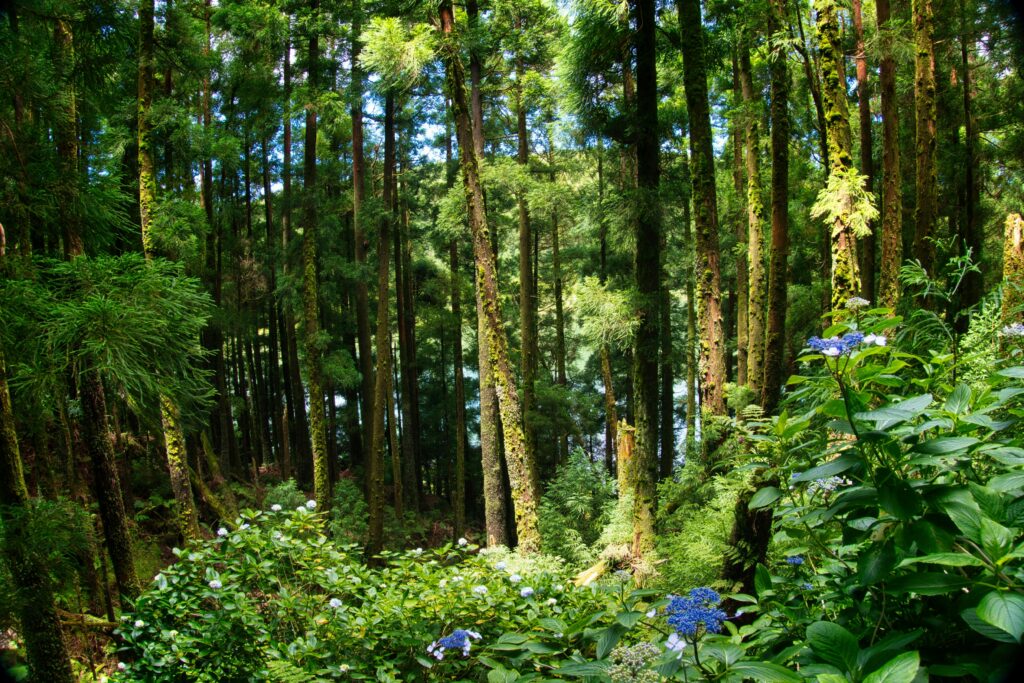
A vibrant and lush forest scene in the Azores, Portugal, showcasing diverse vegetation and natural beauty.
Lush vineyards against volcanic landscape with vibrant pink building on Pico Island, Azores.
Silhouette of a volcano at dusk with a serene ocean in the foreground, capturing tranquility.
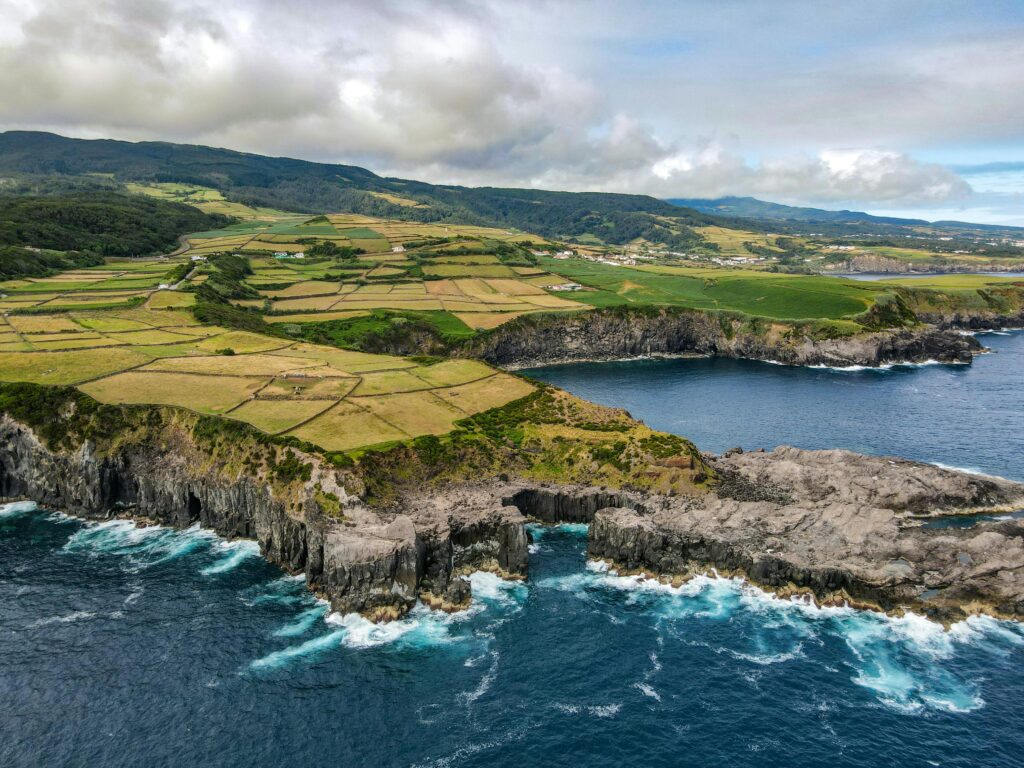
A breathtaking aerial view of coastal cliffs and lush farmlands under a cloudy sky.
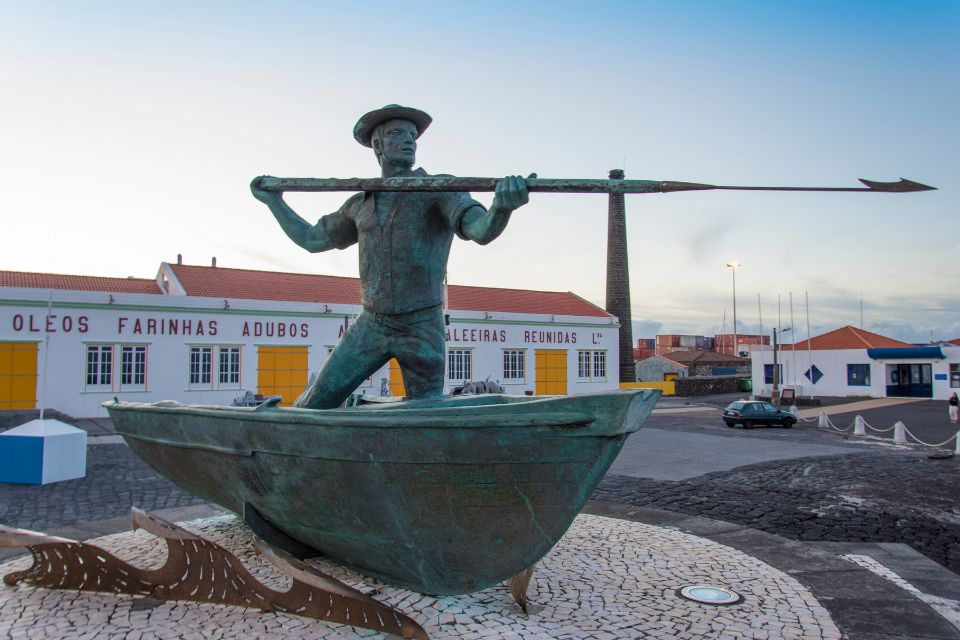
Metal statue depicting a whale hunt
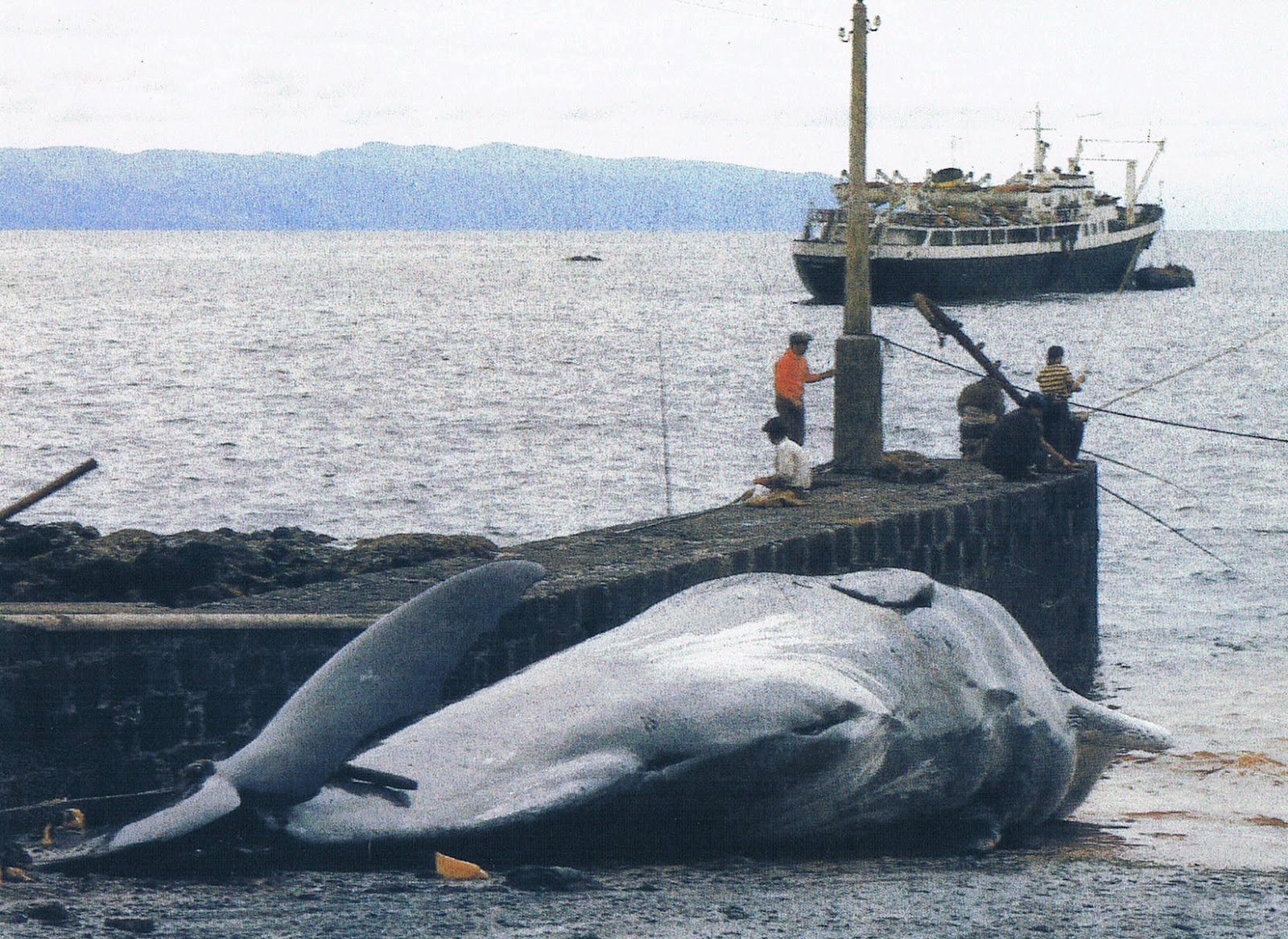
whaling in Sao Roque, Azores
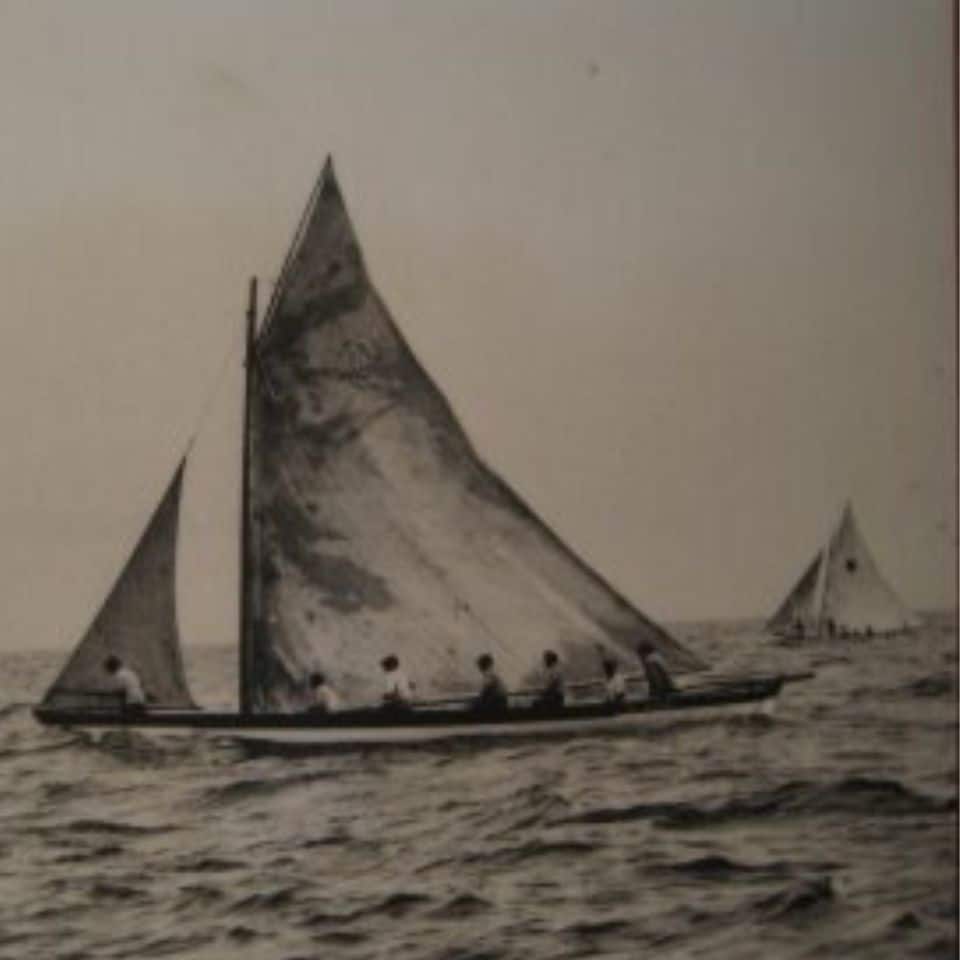
Whaleboat and crew
Whale hunters in Sao Roque, Azores
Whaling in the Azores
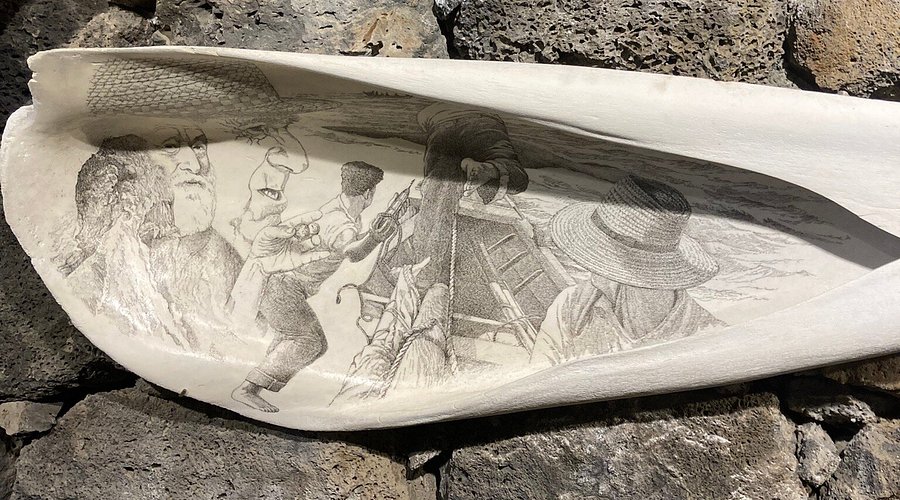
Whale bone engraving
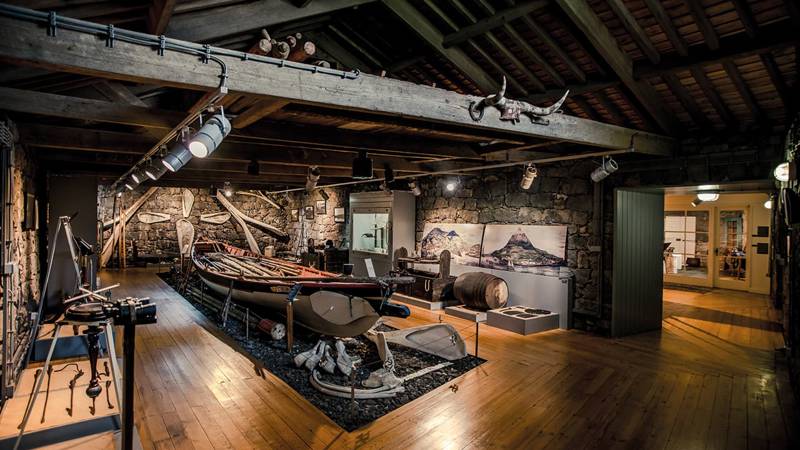
Whaling museum at Lajes do Pico in the Azores
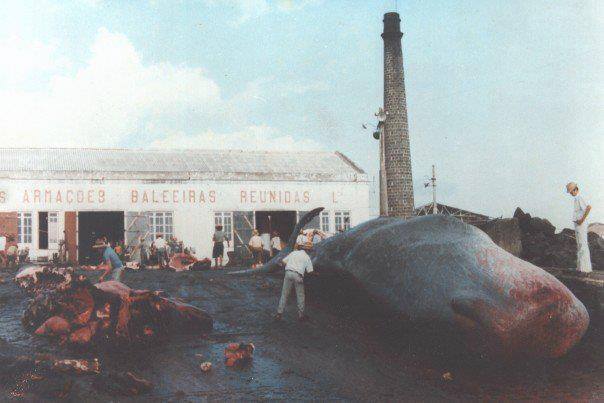
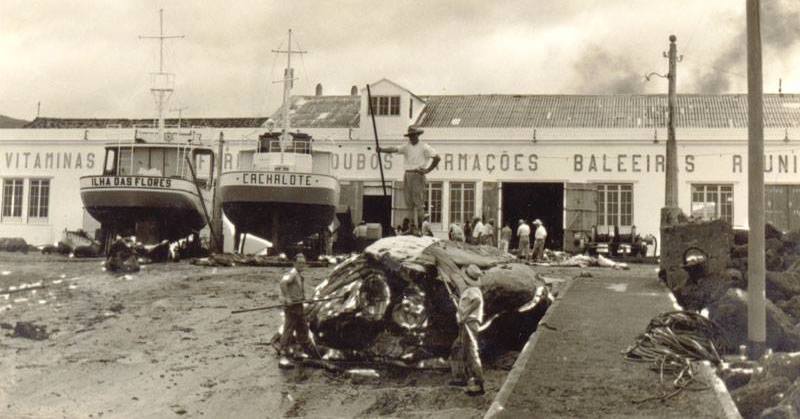
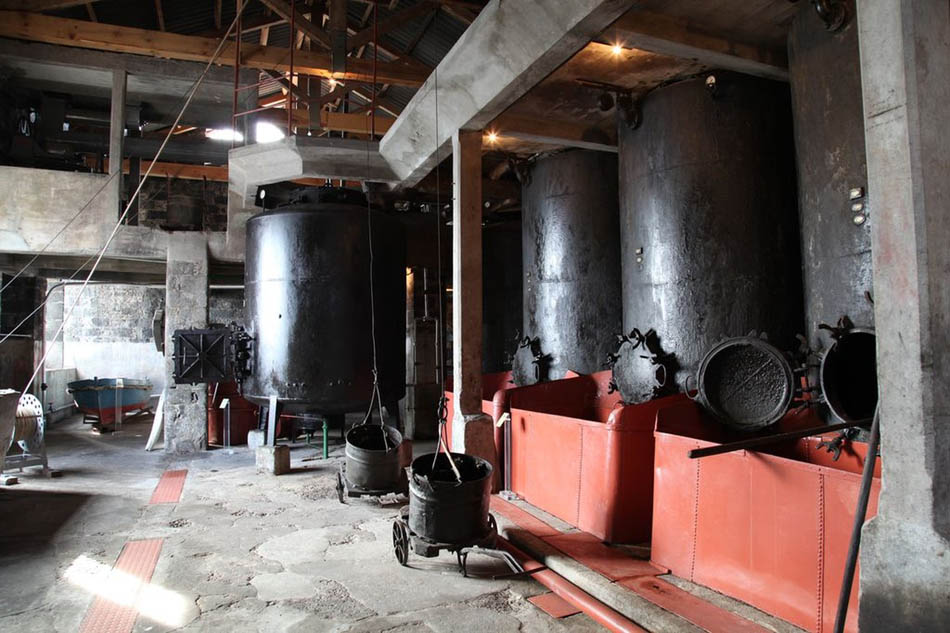
Former whale processing plant

🐋 The history of the Azores: from whaling to ecotourism

For almost two centuries, the Azores have lived to the rhythm of the whales. And one species in particular:

👉 sperm whale(Physeter macrocephalus)

⚓ An artisanal hunt… but extremely organized

Contrary to the industrial image one might have elsewhere, Azorean hunting was coastal and artisanal. Ella began in 1867 at Lajes

It was based on a precise system:

1. Lookouts (on land)

Observers were posted on high ground. As soon as a blast was spotted, a signal was sent to the village.

2. Whaling boats (at sea)

Long, narrow boats with oars and sails set off immediately. Each crew numbered around 6 or 7 men.

3. The hunt itself

Harpooning was done by hand. A harpoon was launched directly from the whaleboat, at very close range. Next :

👉 the whale pulled the boat (a phase known as the “Nantucket sleigh ride”)
👉 the hunters followed until it was exhausted
👉 it was then killed with a spear

An extremely physical, dangerous and far from systematically successful practice.

4. Recovery and processing

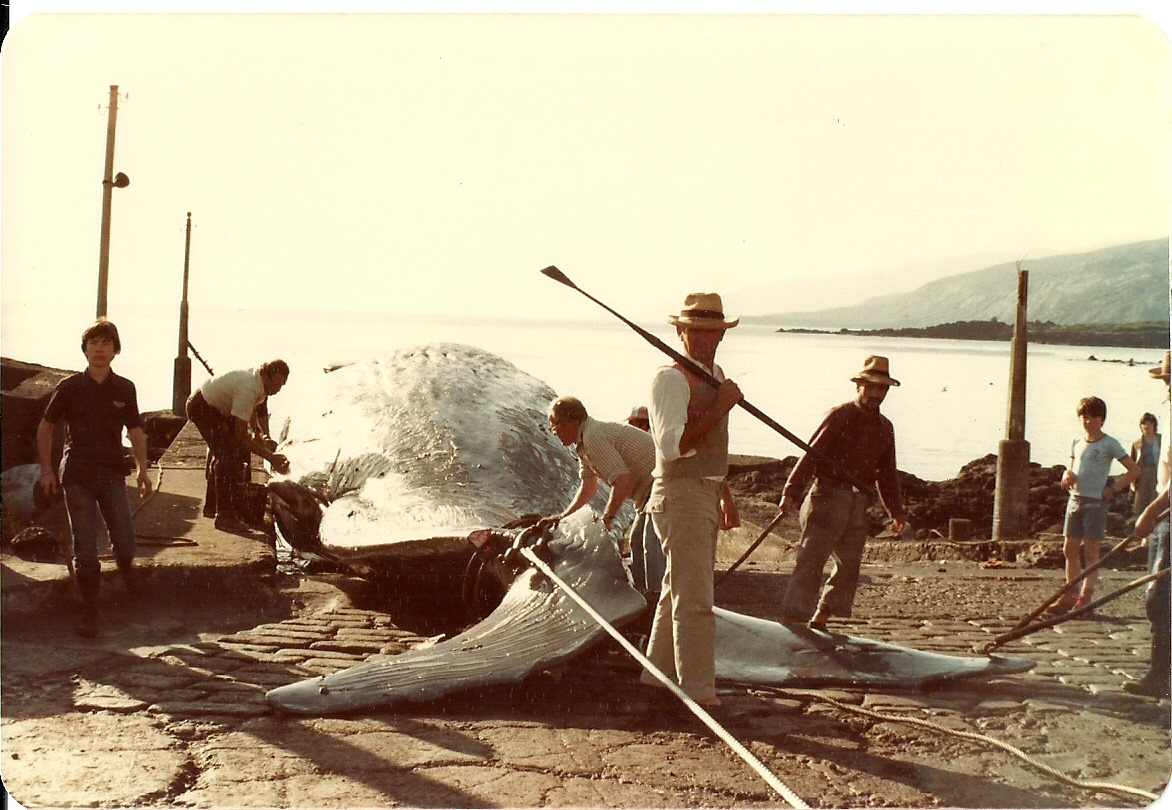
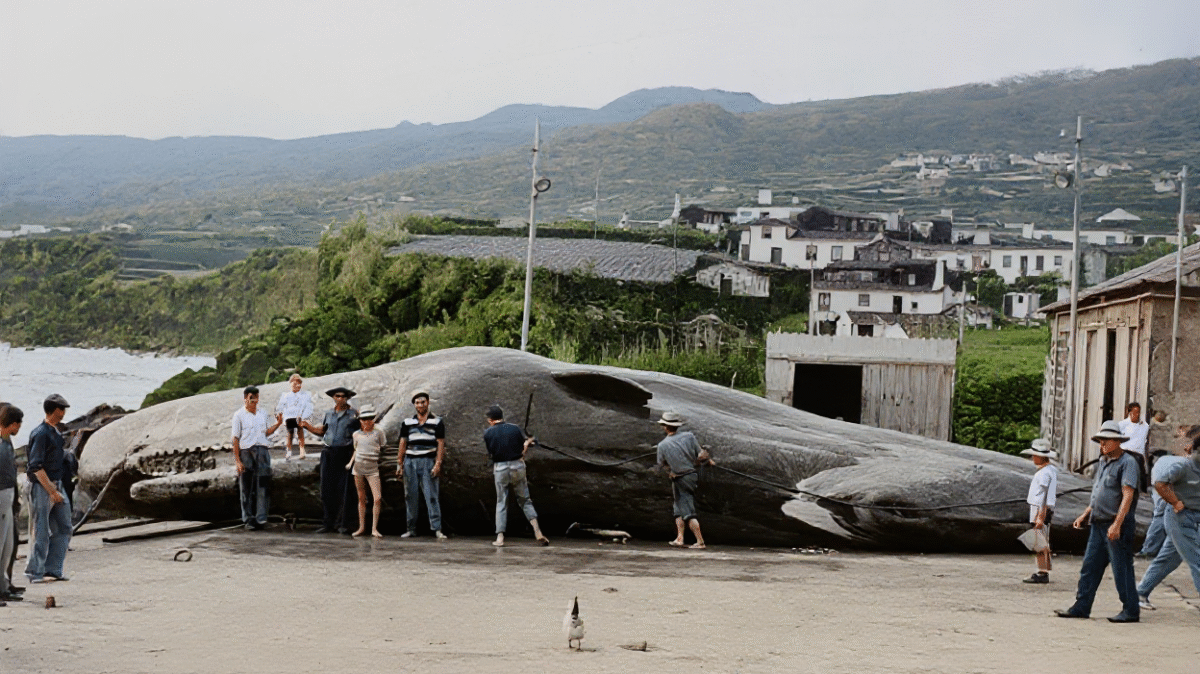
Once dead, the whale floated. It was towed to shore. On land, everything was used and transformed in dedicated factories.

🛢️ A global industry: why whales were so precious

The sperm whale was not hunted for its meat, but for its by-products.

Main uses :
  • Whale oil:
    • lighting (lamps)
    • industrial lubricant (machinery, mechanics)
    • manufacture of soap, margarine, candles
  • Spermaceti (in the sperm whale’s head):
    👉 a highly sought-after substance
    used for high-quality lubricants and premium candles
  • Ambergris (intestinal concretion of the sperm whale):
    👉 very fragrant substance, solid and oily, used in perfumery
  • Bones and teeth:
    👉 objects, crafts
  • Organic residues:
    👉 flour to feed animals or fertilize soil

👉 Nothing was lost.

The Azores exported these products to Europe and America.

For a long time, this industry was a major economic pillar, particularly on Pico, Faial and São Miguel.

📉 Why the hunt stopped

Several factors led to its decline:

1. Industrial replacement

Whale products have been replaced by petroleum and synthetic lubricants, making the business less profitable.

2. Population decline

Global overexploitation has drastically reduced cetacean populations.

3. International pressure

In the 1980s, under the influence of international agreements (when Portugal agreed to support the International Whaling Commission’s moratorium on commercial whaling) and European policies, hunting was gradually banned.

In the Azores, it ceased for good in 1986.


🔄 A rare (and successful) reconversion

Unlike many other regions of the world, the Azores have managed to transform this history. Infrastructures, lookouts, boats and know-how have been reused for a new activity: cetacean watching!

Today :

  • the old factories have become museums
  • former hunters have become spotters in the lookouts
  • the logic of exploitation has given way to a logic of protection

👉 A cultural transition as much as an economic one.

And this change of perspective has revealed something essential: the exceptional richness of these waters.

🌊 Exceptional biodiversity: much more than just cetaceans

The Azores are one of the few places in the world where you can observe such diversity… and not just among cetaceans.

🐋 More than 25 species of cetaceans can be observed

The Azores are one of the few places in the world where such diversity can be observed.

Resident species :
  • sperm whale(Physeter macrocephalus)
  • dolphins (several species)
Migratory species :
  • sei whale(Balaenoptera borealis)
  • blue whale(Balaenoptera musculus)
  • fin whale(Balaenoptera physalus)
  • humpback whale(Megaptera novaeangliae)
  • killer whale(Orcinus orca)…

🦈 a hotspot for elasmobranchs

If sailing is a feast for the eyes, diving encounters don’t leave us indifferent either!

  • whale sharks(Rhincodon typus), with exceptional sightings such as in 2024 when we observed up to 3 individuals at the same time at the Princess Alice site.
  • smooth hammerhead sharks(Sphyrna zygaena)
  • shoals of mobulas(Mobula tarapacana)
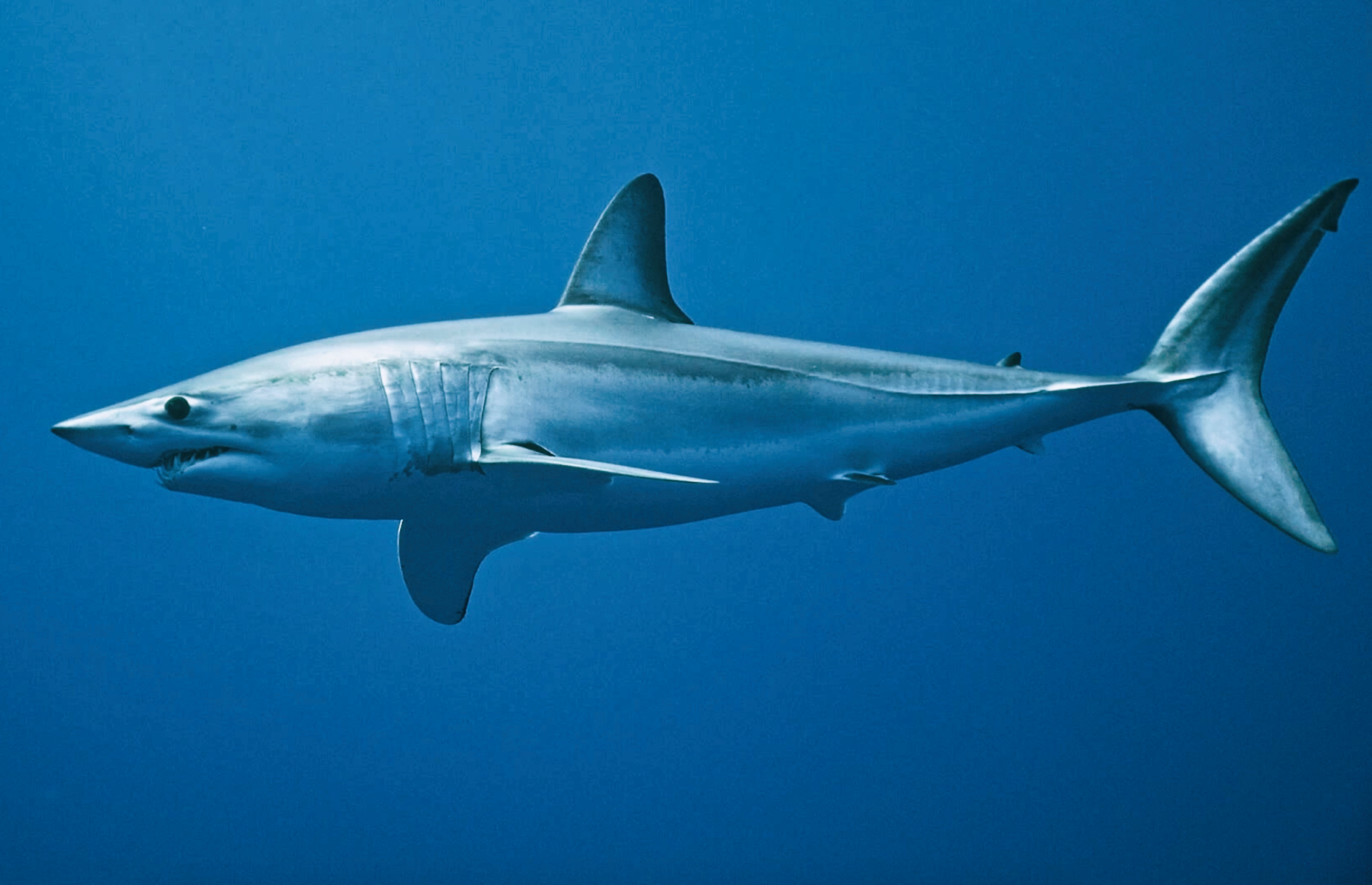
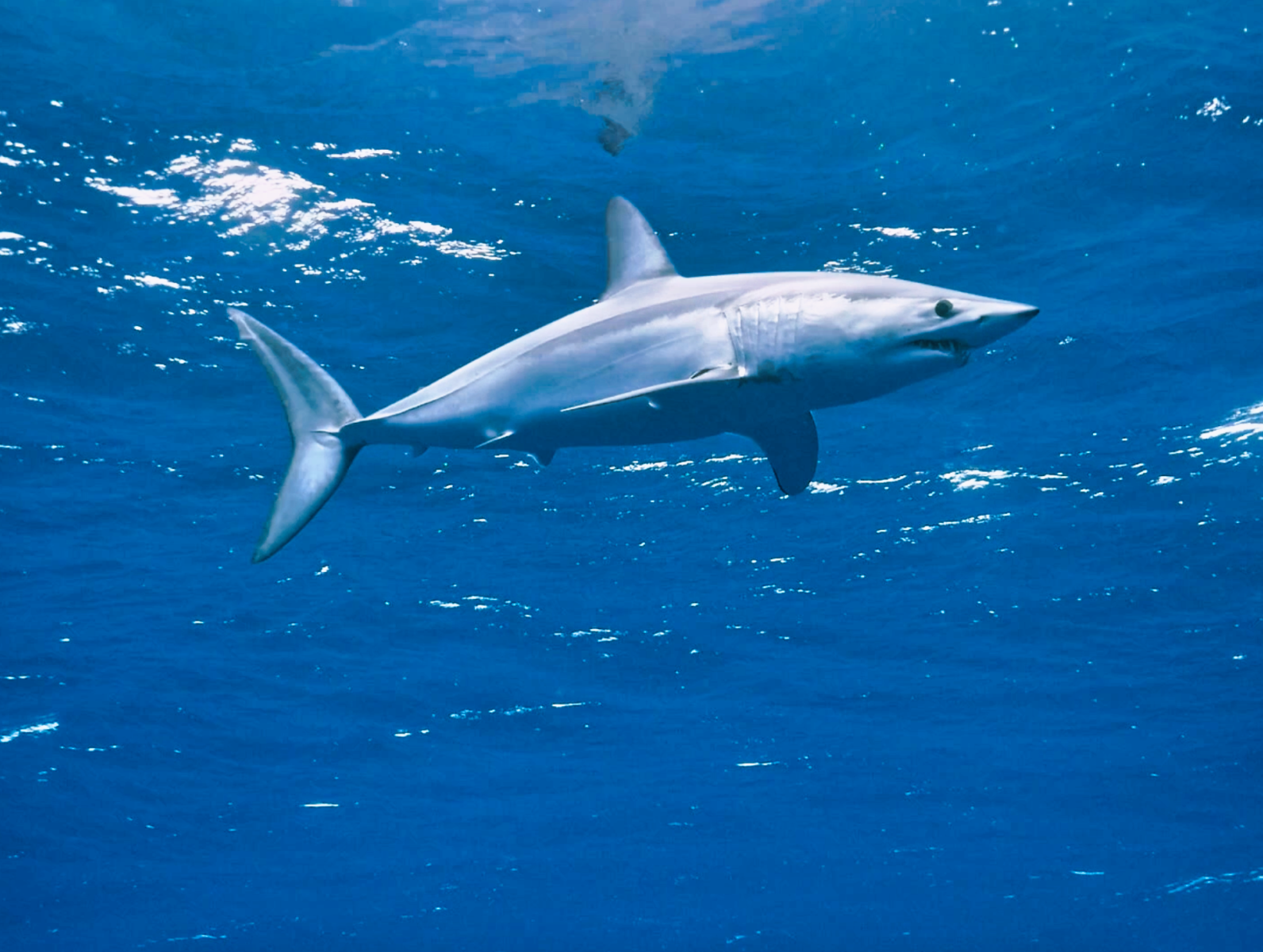
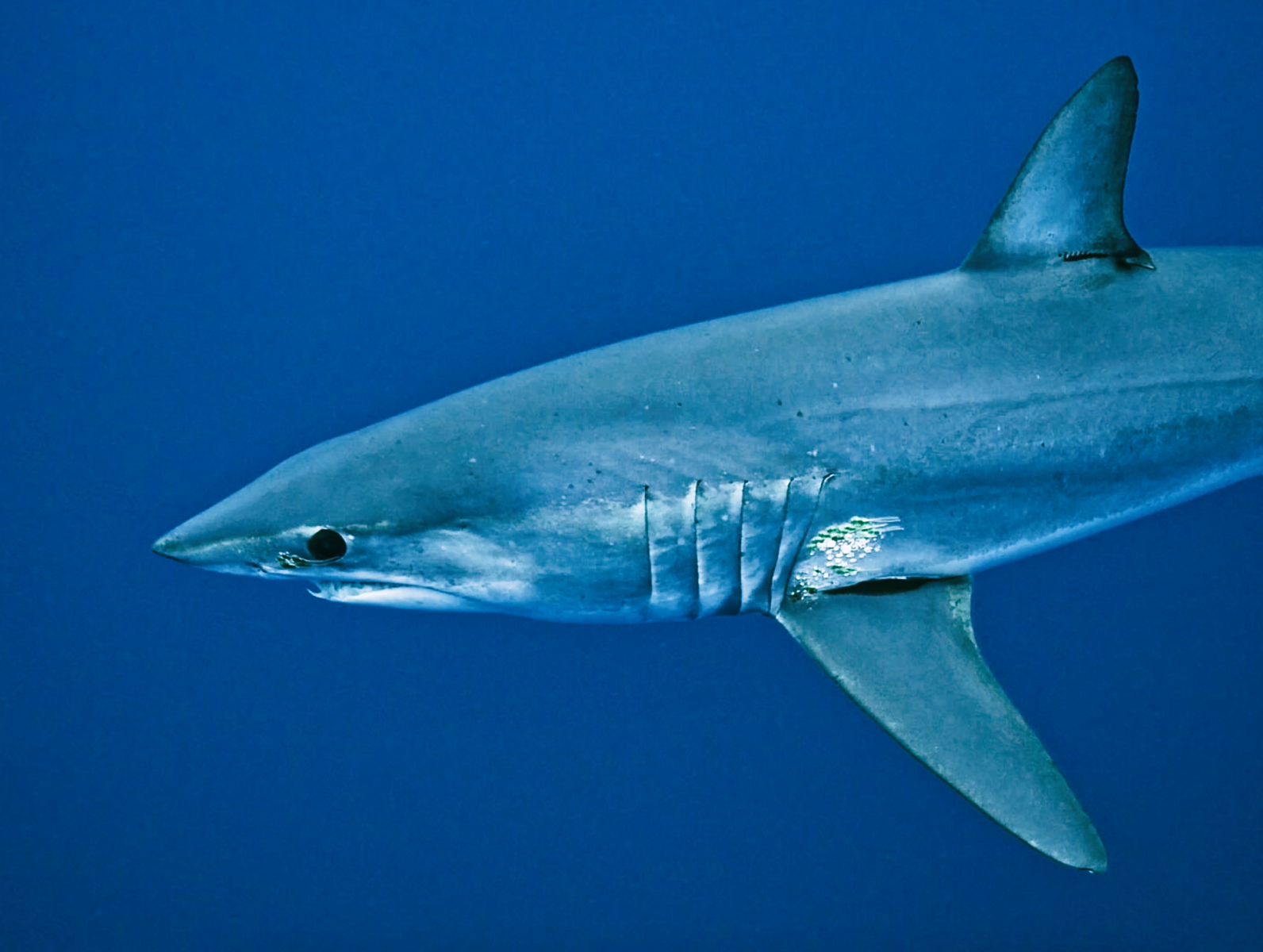
  • mako sharks (Isurus oxyrinchus)

And more rarely…

👉 in 2024, a great white shark(Carcharodon carcharias) was spotted at Princess Alice
👉 in 2025, a tiger shark(Galeocerdo cuvier) was also spotted here

These exceptional visits are a reminder of just how wild and unpredictable these waters can be.

And then, in the midst of all this richness…there’s one species we come across on almost every dedicated outing. An elegant, curious, magnetic species. Discreet at first glance, but widely distributed around the globe. The one around which this workshop is built.

👉 Blue shark(Prionace glauca)

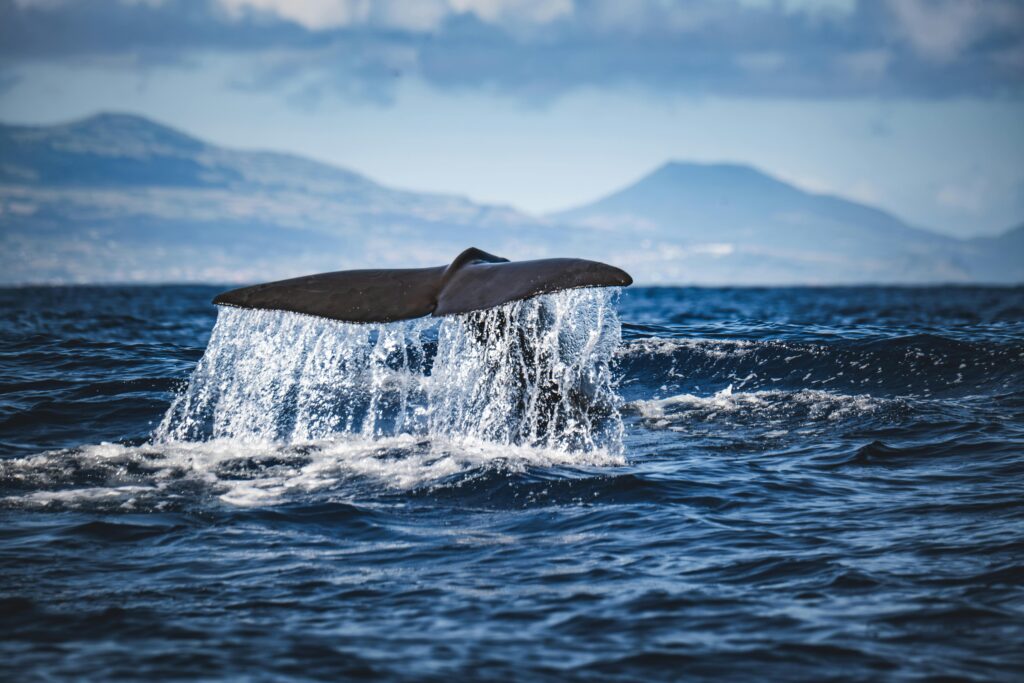
A whale tail splashes in the ocean, set against distant mountains and a clear sky.
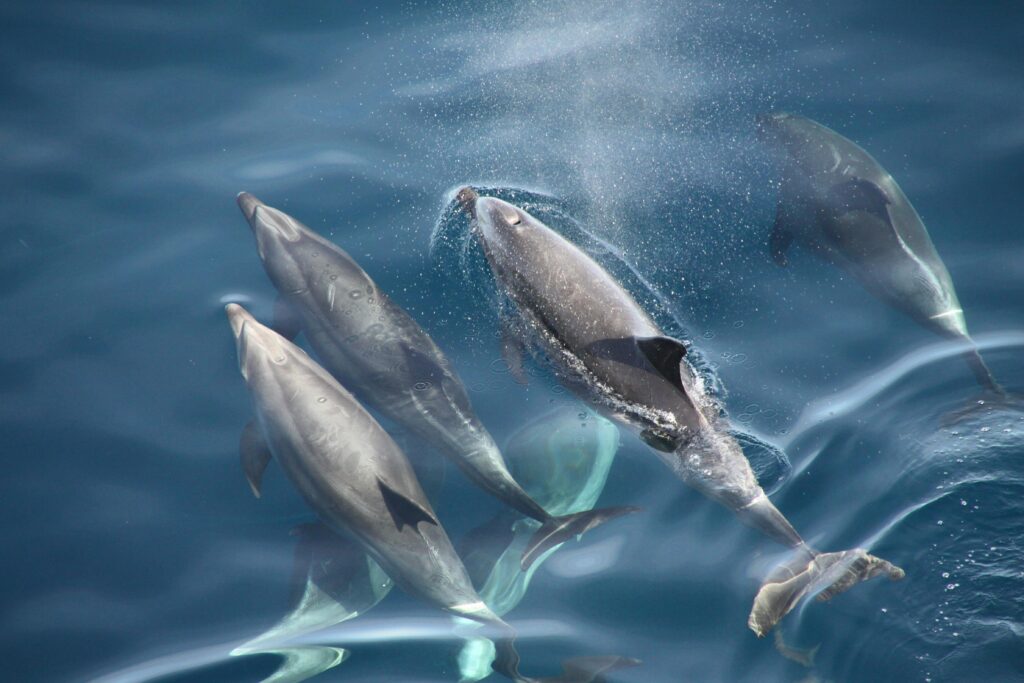
High angle view of dolphins swimming in sparkling blue ocean water.
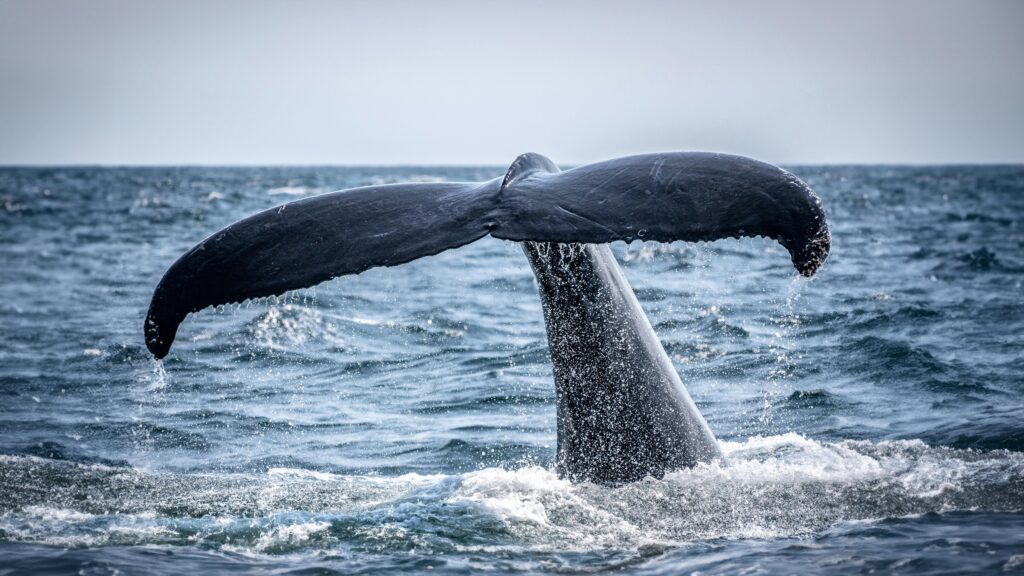
A majestic humpback whale tail rises from the ocean in Boston, MA.
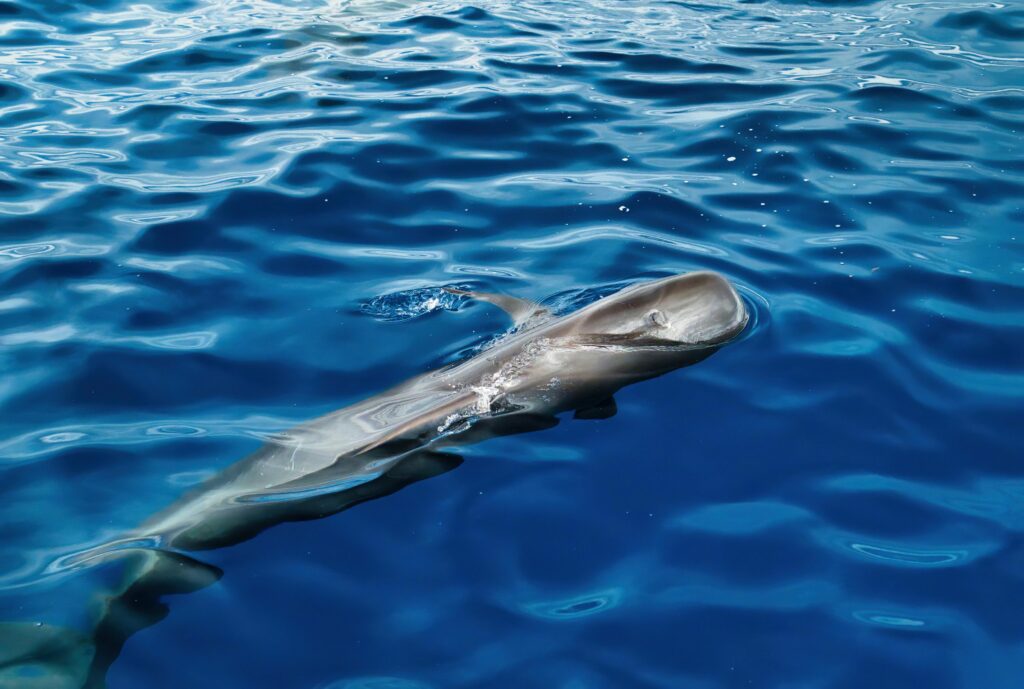
A pilot whale emerges gently in the vibrant blue ocean, showcasing nature's majestic beauty.
Detailed underwater shot of a mako shark swimming in the ocean depths near Nantucket.

🦈 THE BLUE SHARK: THE ATLANTIC’S PELAGIC ELEGANCE

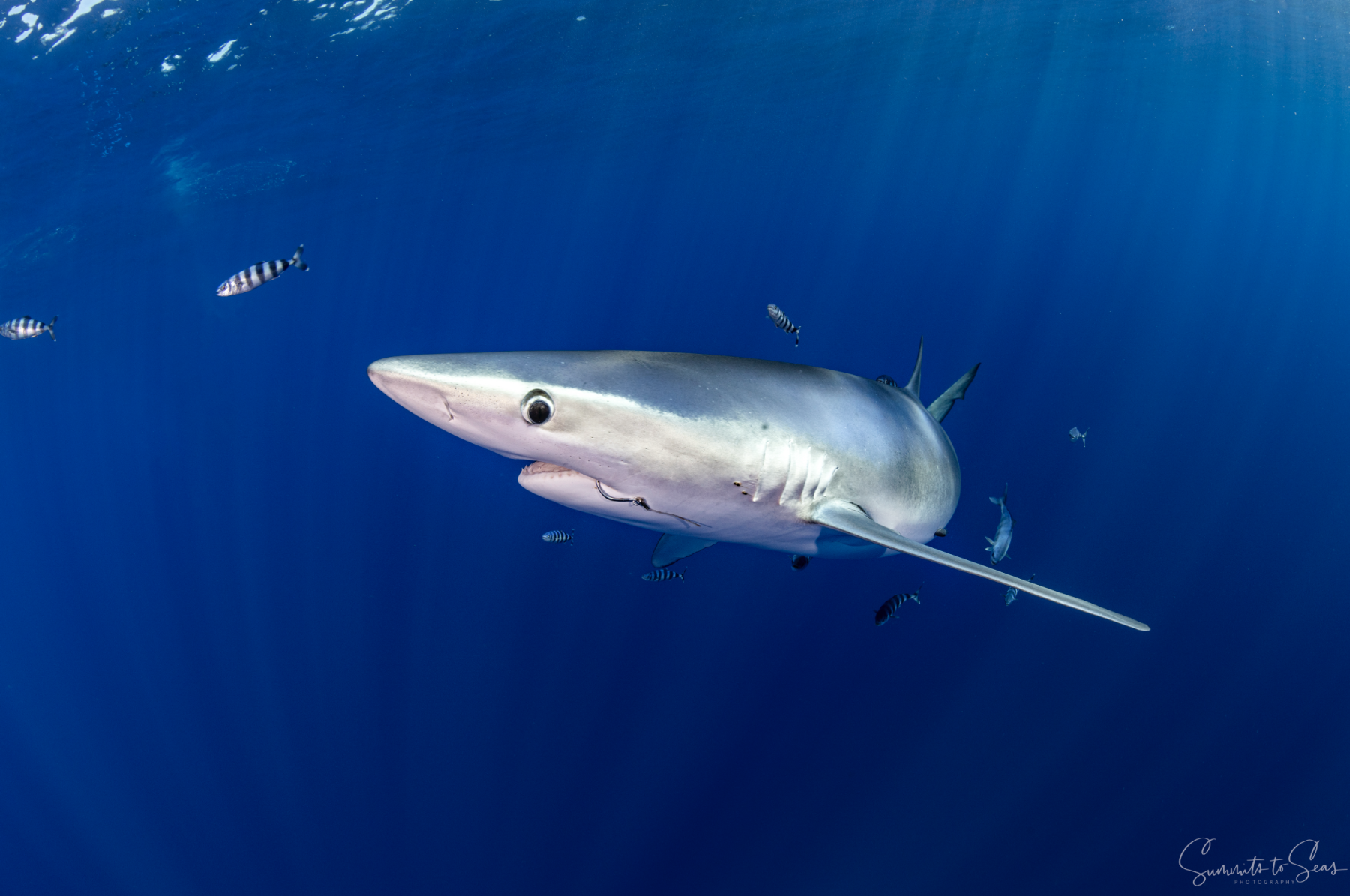
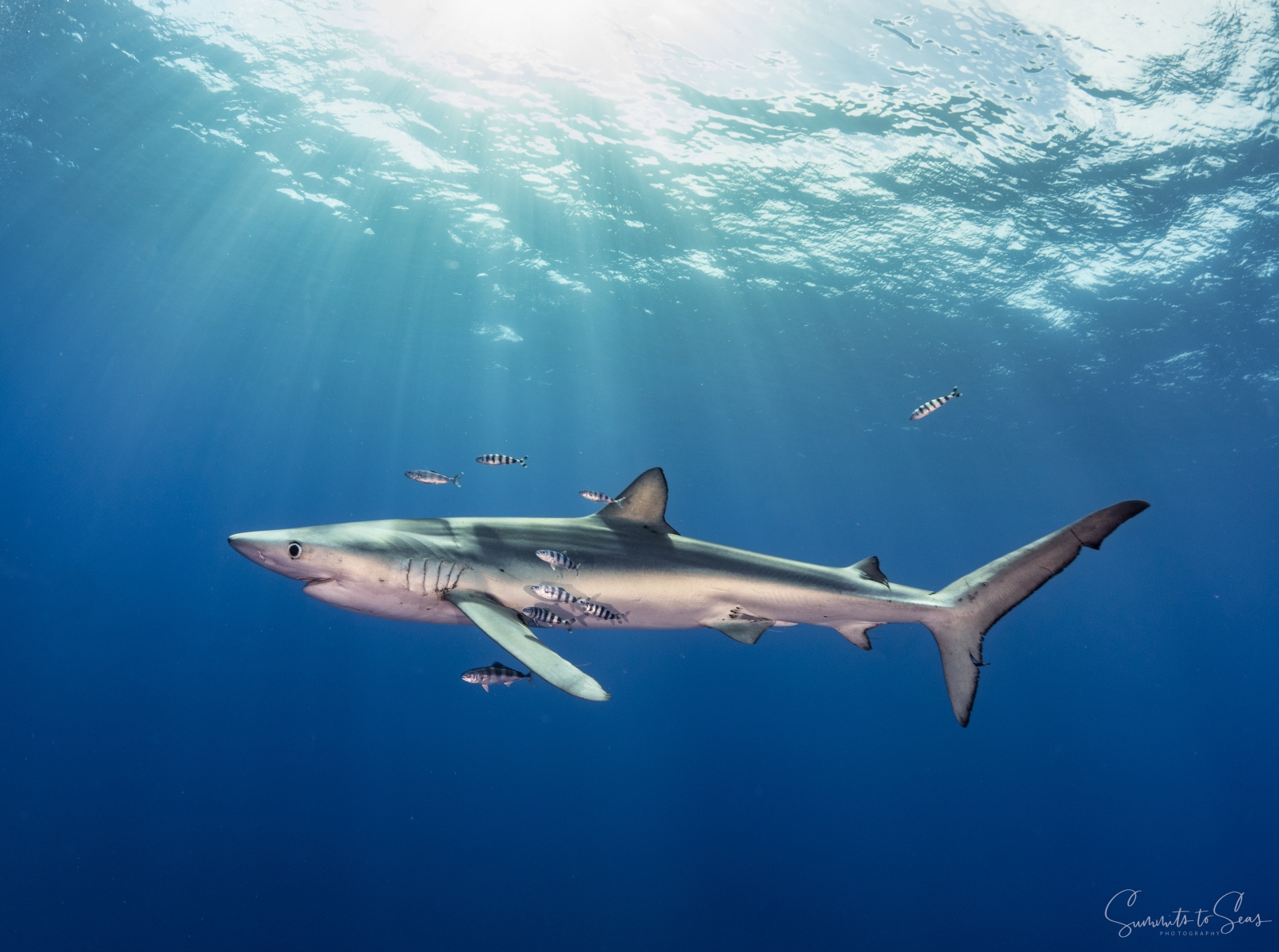
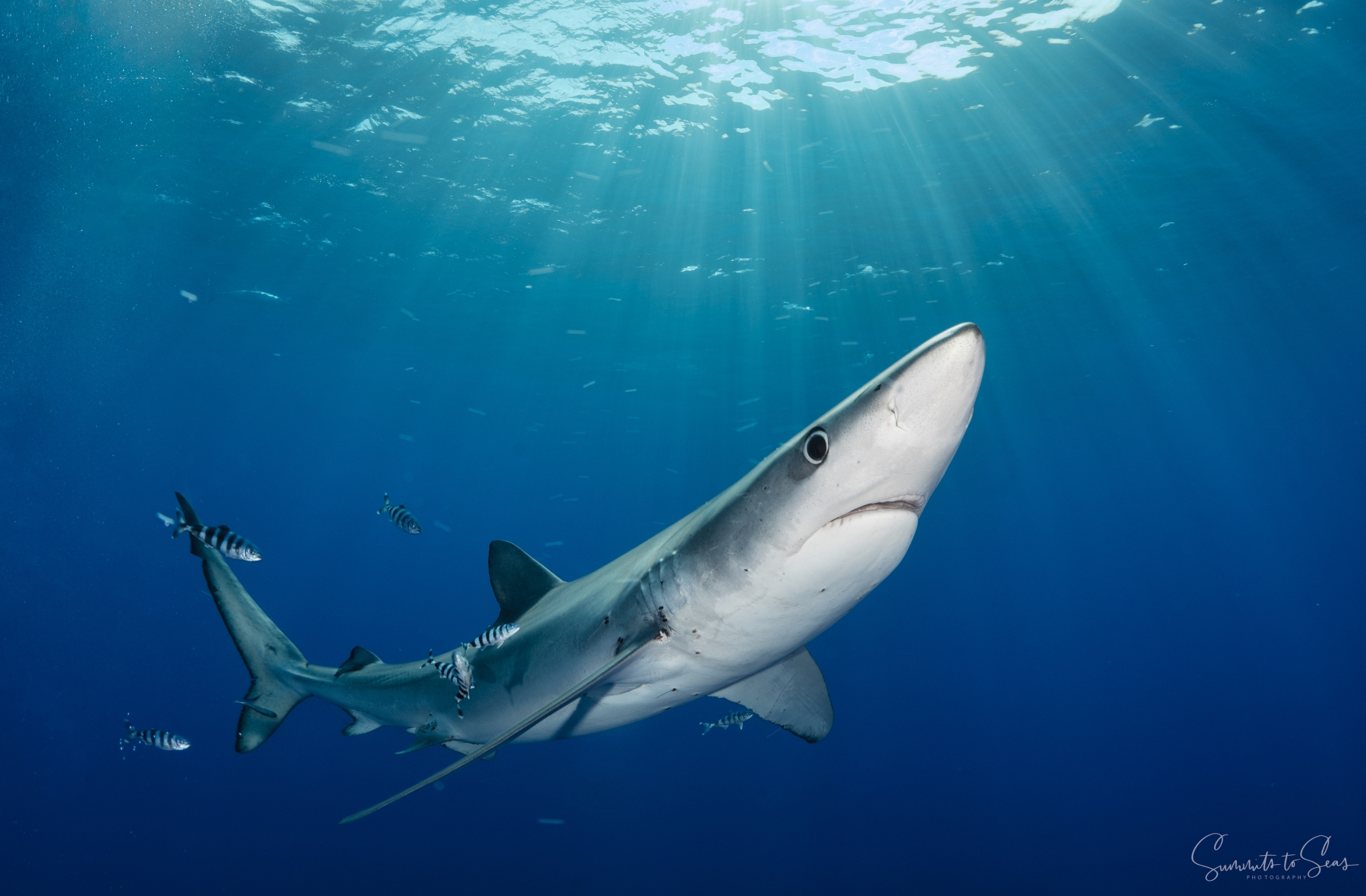
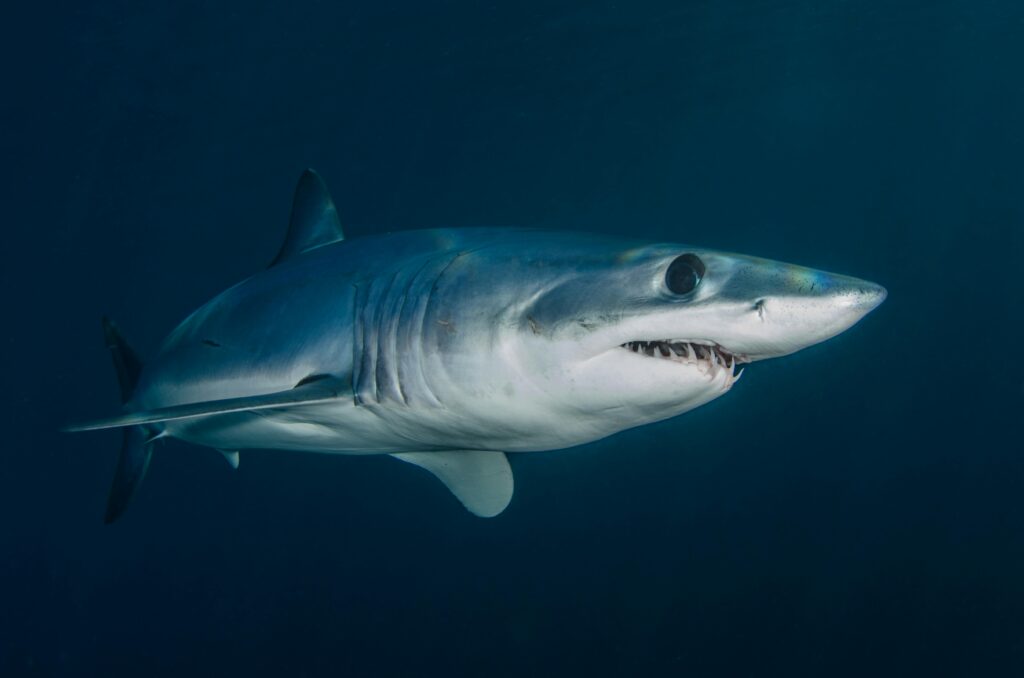
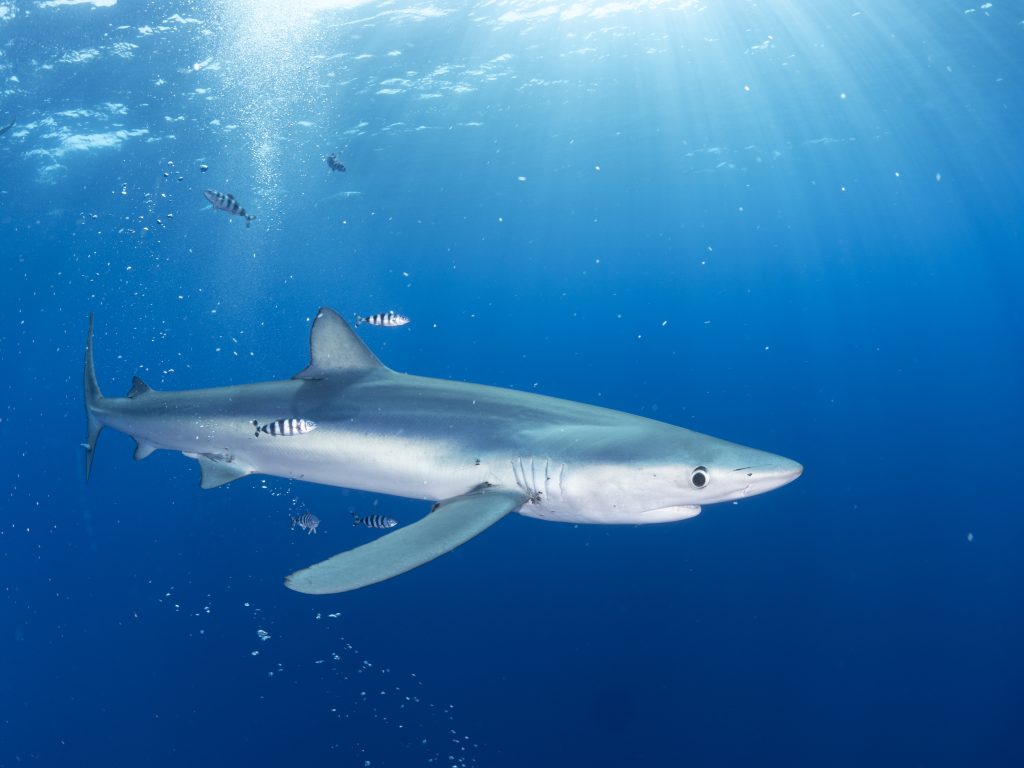
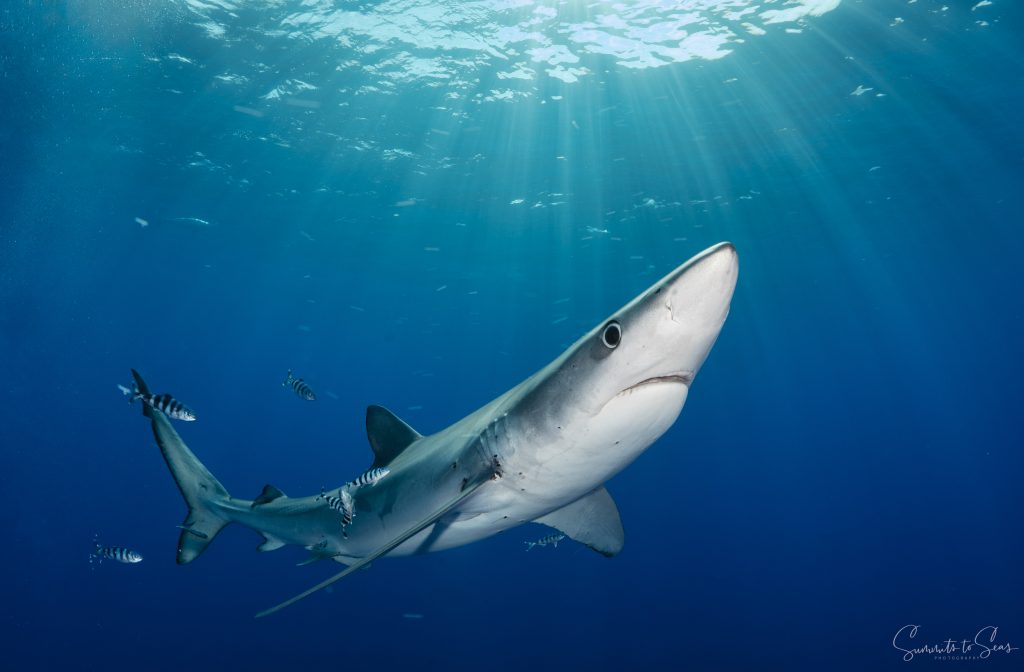
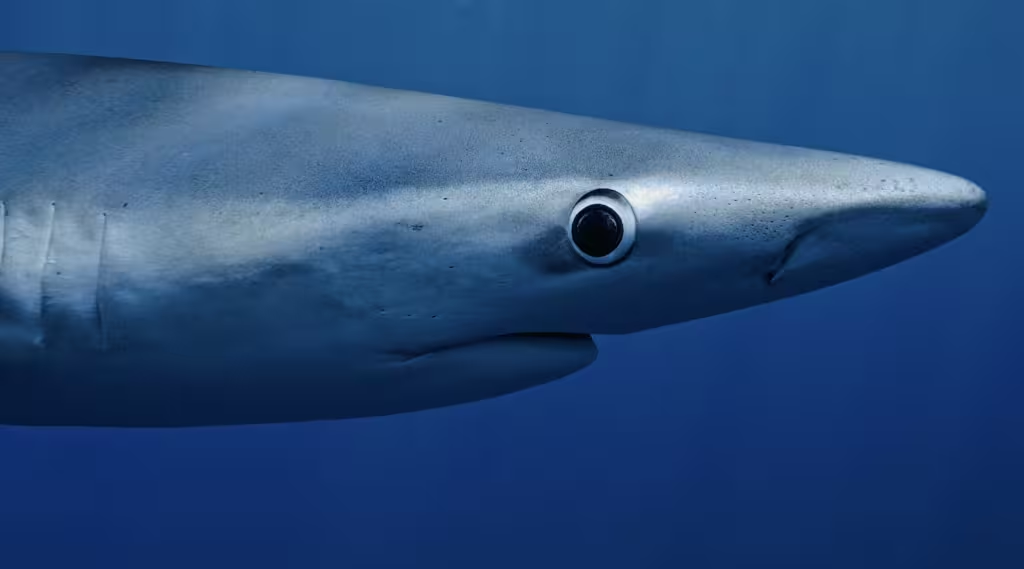
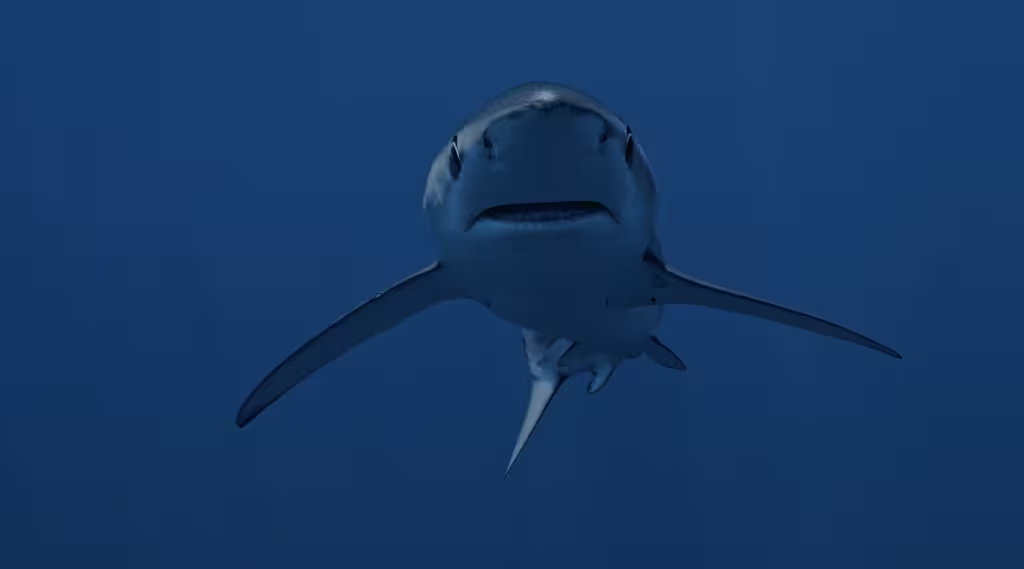
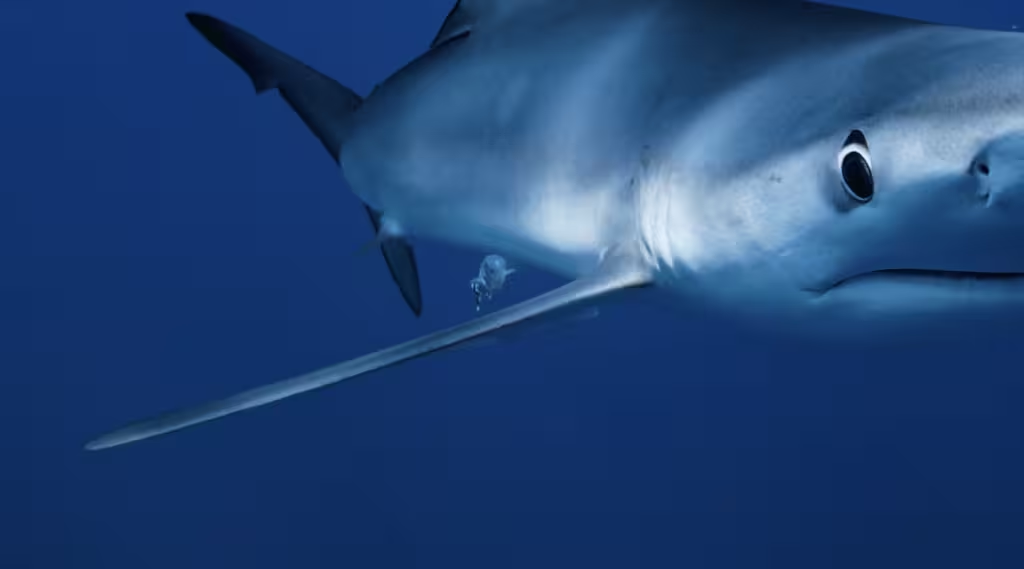
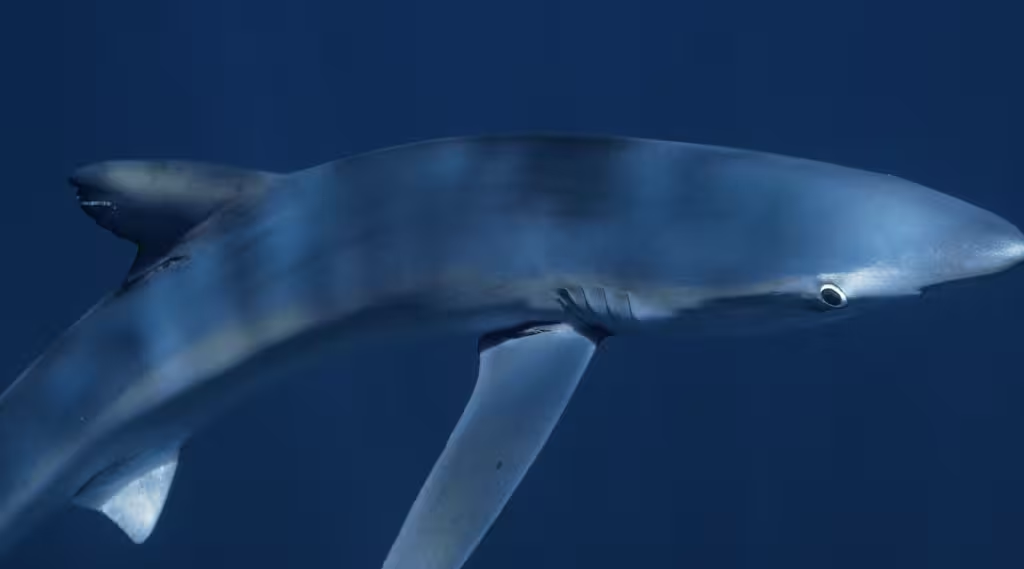
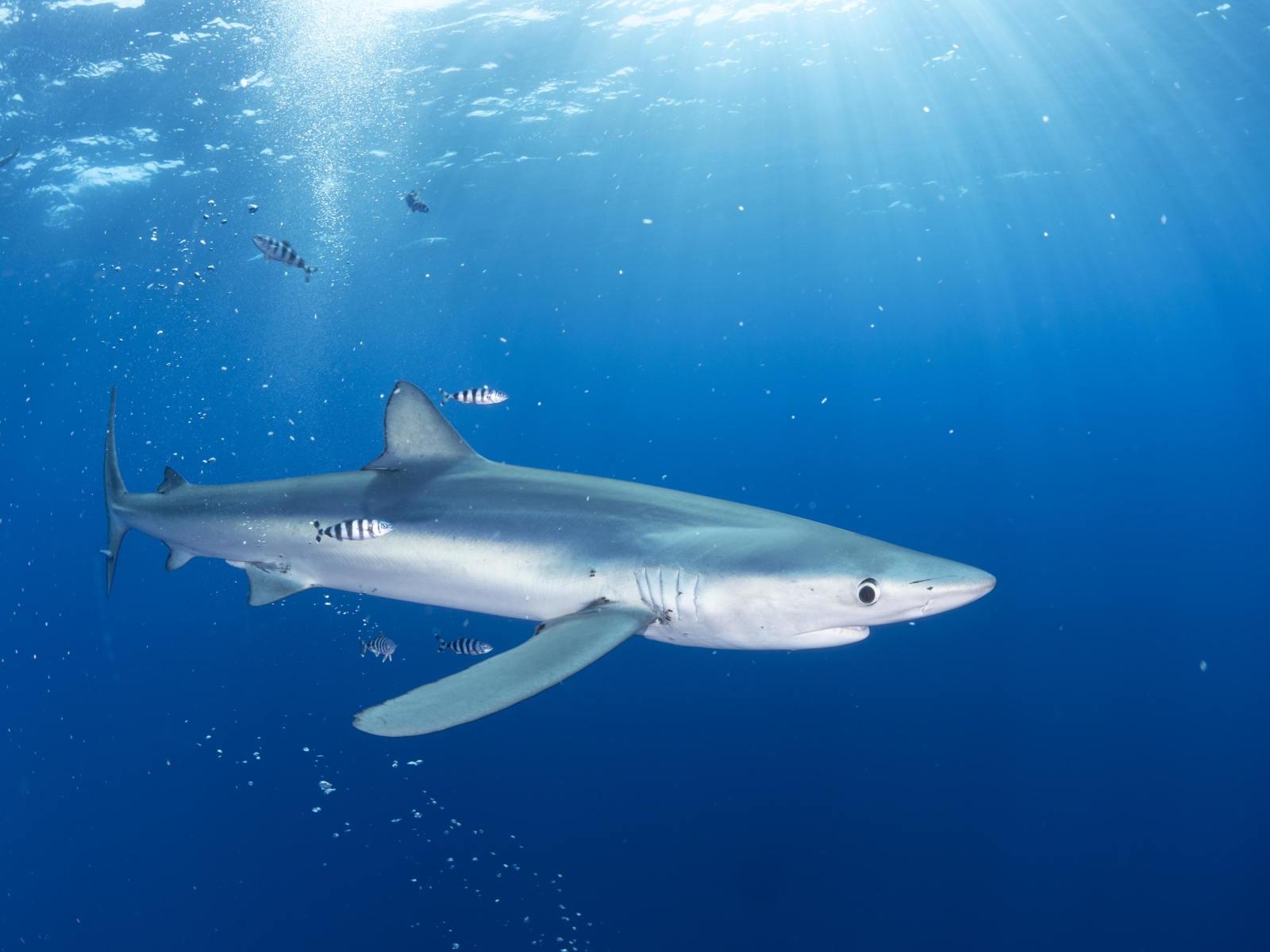
The blue shark(Prionace glauca) is one of the most emblematic sharks of the open ocean. Distinguishable by its slender silhouette and deep blue color, it is the perfect embodiment of pelagic life.

Present in all temperate and tropical oceans, it is a cosmopolitan epipelagic species (widely distributed) and is the most fished shark species in the world.

In the Azores, it is possible to observe this shark on a regular basis from July to September, making it one of the most accessible destinations for open-water encounters with this species.

HOW TO IDENTIFY IT

The blue shark is relatively easy to recognize, but certain characteristics help to identify it precisely.

Identification keys :

  • Height generally from 1.80 to 3.80 metres
  • Very slender, streamlined body
  • Colors: deep blue on the back, with metallic highlights, becoming lighter on the flanks and white on the belly.
  • Long pectoral fins
  • Long, conical snout
  • Big eyes
  • Small first dorsal fin positioned well behind the body and pectoral fins
  • Second dorsal fin very small

It is found in temperate and tropical waters around the world, mainly in the open sea, from the surface to several hundred meters below the surface.

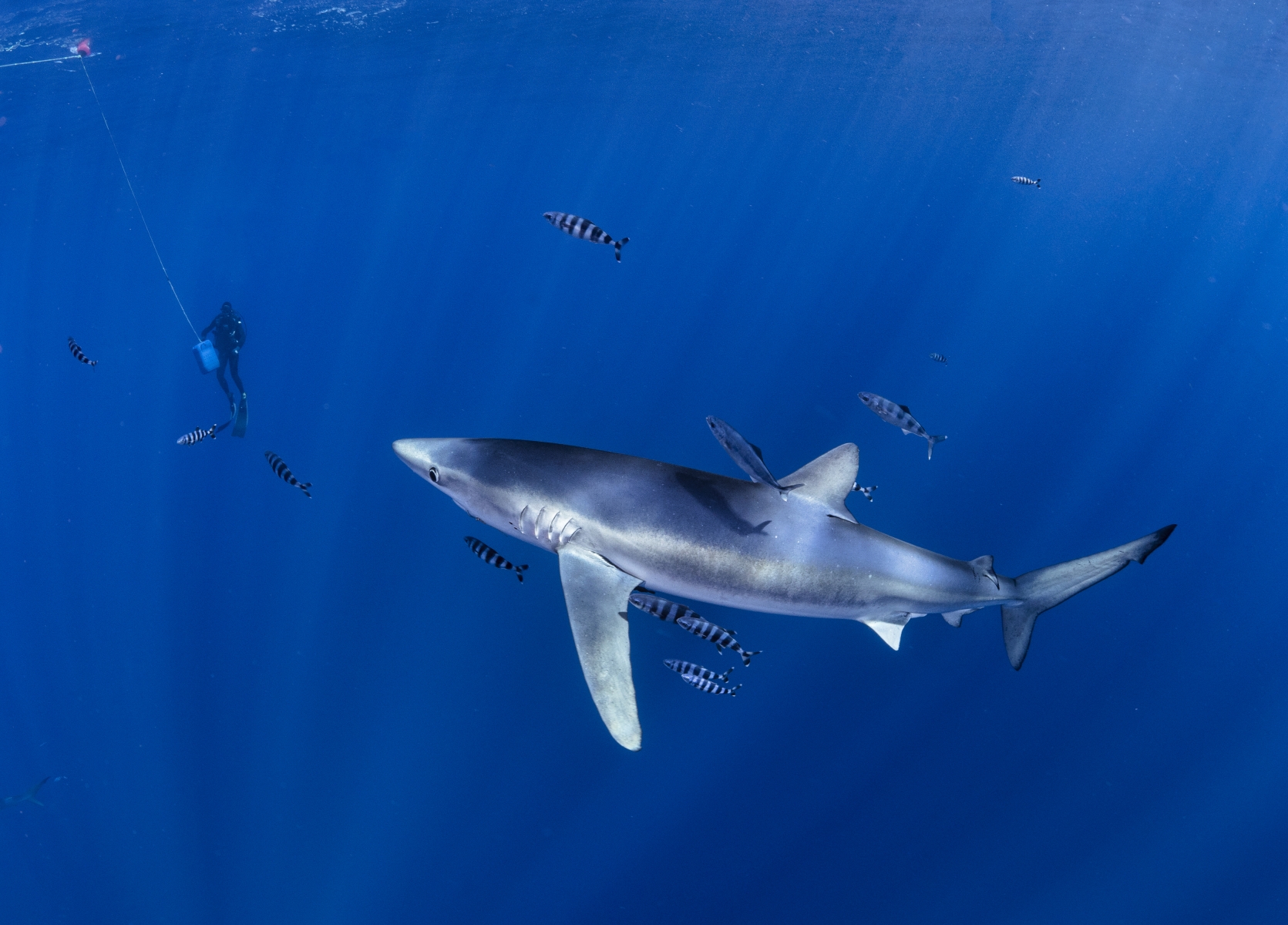
blue shark in the Azores
Blue shark in the Azores with a hook in its mouth
Blue shark in the Azores
Photos: Summitstoseas
Vineyards on Pico Island in the Atlantic Ocean

Learn more about the blue shark… join the adventure!

Between diving with blue sharks, whale watching, breathtaking scenery and tasting local dishes, a complete change of scenery awaits you, while remaining in Europe!

For those who love the ocean, raw nature and scuba diving, the island of Pico is sure to thrill you!

It’s also a place where everyone can make their own contribution to protecting the oceans. You will participate in the creation of the first register of blue shark individuals observed while diving at the two recognized dive sites around Pico and Faial.

And it’s precisely in this spirit that these participatory science workshops have been created, making it possible to combine business with pleasure.

Inscris-toi à la newsletter !

Un peu d'océan dans ta boîte mail, ça te dit ? 🌊

Nous n’envoyons pas de messages indésirables ! Lisez notre politique de confidentialité pour plus d’informations.

error: Content is protected !!
Scroll to Top